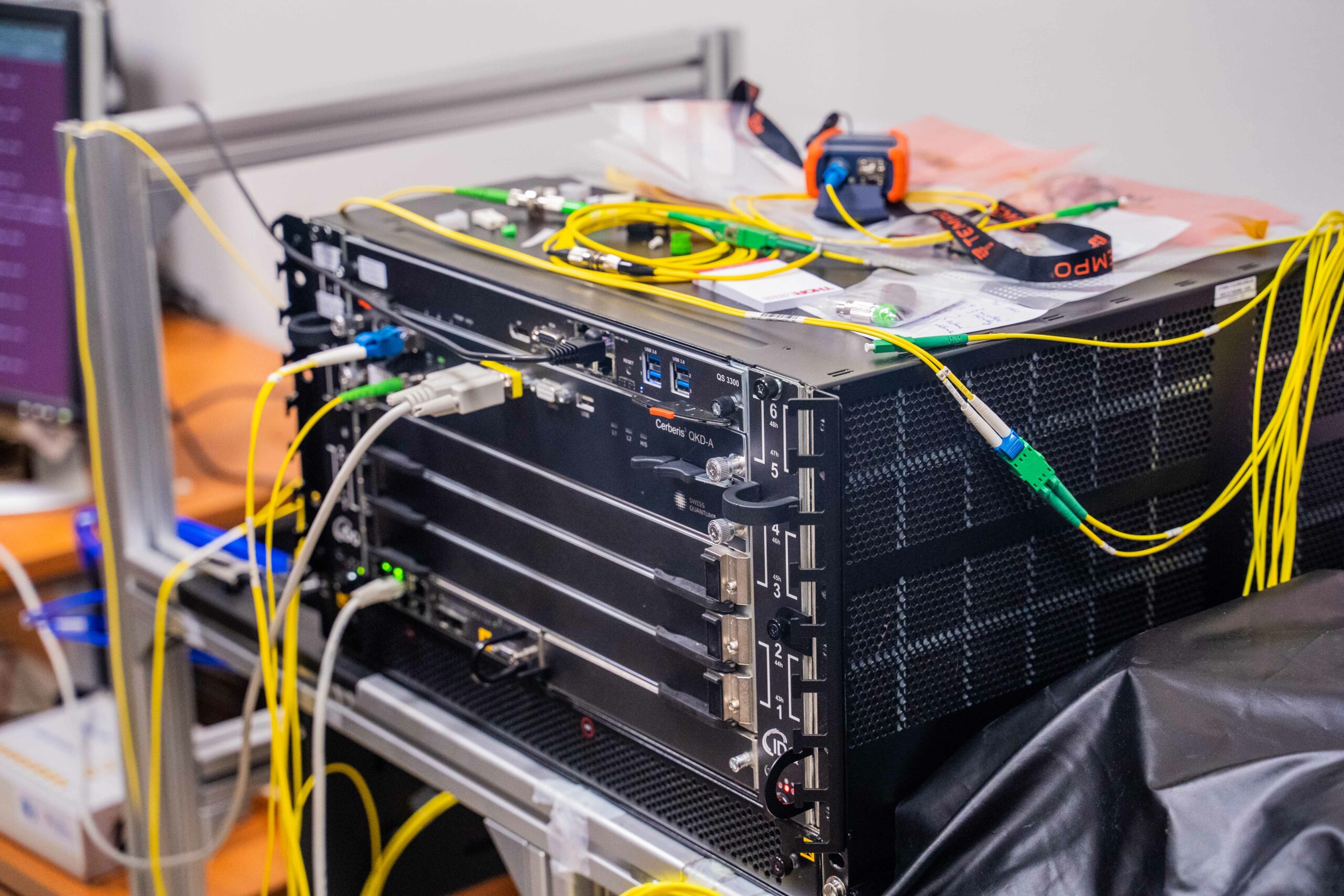
QUTE Summer school 2026 Bratislava
- Home
- event
- 2026
- Events
- Professional
- Technology
- QUTE Summer school 2026 Bratislava
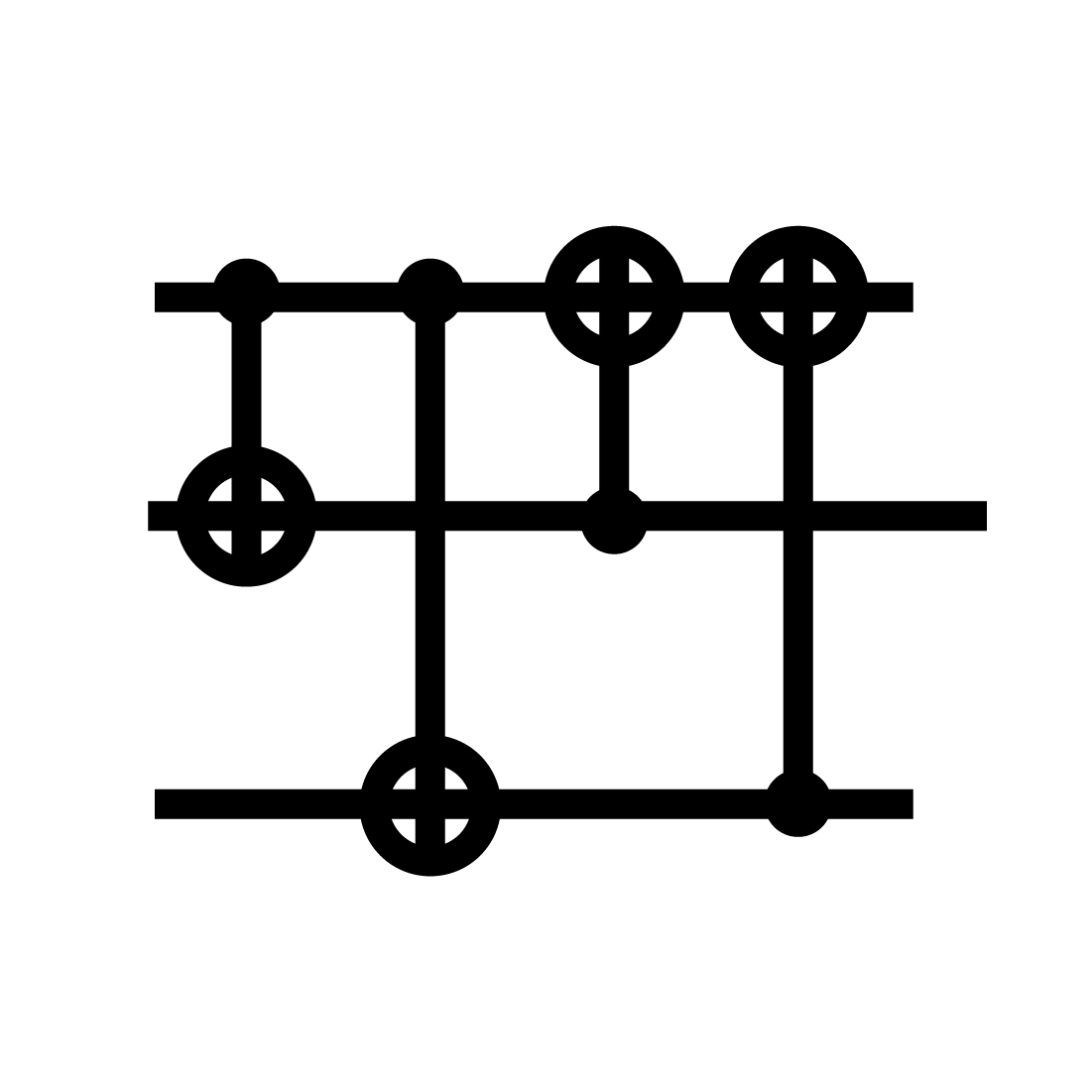
Join us for an immersive 5 day-long summer school, co-organized by the Institute of Physics Slovak Academy of Sciences, Fachhochschule Technikum Wien, and QUTE.sk – Slovak National Center for Quantum Technologies. This unique event will integrate insights from leading industry and scientific experts with interactive student projects focusing on:
Quantum Cryptography
Quantum Computing
Quantum Electronics
Who can attend?
- Target audience: undergraduates & graduates students (bachelor, master of sciences) but open to all, no prior knowledge of quantum physics is required. Everyone with an interest in quantum technologies is welcome.
- Language: All talks and workgroups will be conducted in English to support international participation.
Why attend?
- Global Networking: Connect with a diverse group of students from around the world, prospective employers, and renowned educators.
- Expert Insights: Gain knowledge from top-tier professionals in the quantum technology field.
- Interactive Projects: Engage in hands-on projects that enhance your learning experience.
- No Exams: Enjoy a stress-free environment with no exams, allowing you to fully immerse yourself in the learning experience.
- Certification: Course certificate upon completion for all attendants
Practical information
Registration
Registration will take place on Monday, 24 August 2026, from 9:00 to 10:00 at the entrance to the Summer School venue.
Upon registration, participants will receive:
- name badge,
- welcome package,
- participation materials,
- practical information about the programme and venue.
The Summer School officially starts at 10:00.
Travel
Our venue is easily accessible by public transportation with nearby bus and tram stops:
– Botanická záhrada (tram 4, 9, bus 29, 32)
– Zoo (bus 31, 32, 37, 39, 192)
In public transportation in Bratislava tickets must be marked (validated) or bought in the vehicle immediately after boarding the means of transport. Available are e.g. time tickets for 30 or 60 minutes. You can find the exact connection on the official website.
For international attendees, connection from the airports:
– Vienna Airport → Bus → Bratislava Central Bus Station Mlynské Nivy
– Bratislava Airport → Bus 61 → Main Railway Station (last stop)
Parking at the venue is limited. If you plan to arrive by car, please contact the organizing team in advance so that we can discuss the available parking options.
Tips for Accommodation
Please note that accommodation is not included in the registration fee and participants are kindly asked to arrange their stay individually.
To help you plan your visit, we share recommendations for student dormitories, the closest option is the Družba. Other accommodation across the city is also easily accessible by public transport.

QUTE.sk - Slovak National Center for Quantum Technologies

Institute of Physics SAS
FH Technikum Wien

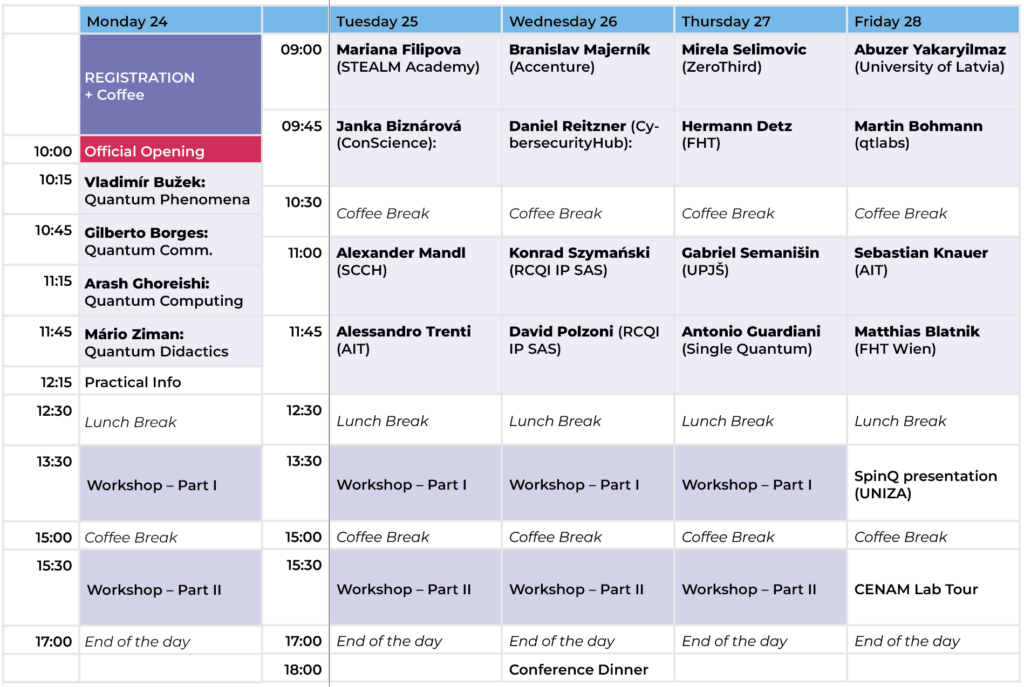
Program
TUESDAY 25.8.
Your Place in the Quantum Future: Career Strategy for a New Technological Era
Quantum technologies are transforming industries, creating new careers and building a global ecosystem that will need far more than physicists and computer scientists. Opportunities are emerging across finance, medicine, pharmacy, ecology, education, ethics, communication, entrepreneurship, policy, business and innovation.
Through practical examples and career mapping, participants will explore technical, interdisciplinary and non-technical roles, transferable skills and realistic entry points into the quantum ecosystem.
The lecture challenges participants to move beyond:
“Am I technical enough?”and ask: “What value can I bring to the quantum future?”
Each participant will begin shaping a personal Quantum Career Map and identify one practical next step.
Superconducting Qubits in the Wild: Experimental Perspectives on Decoherence, Reproducibility and ScalinG
Superconducting qubits are promising building blocks for quantum processors, but their performance is highly sensitive to design, materials, fabrication, packaging, and the surrounding electromagnetic environment. This talk introduces the operation of transmon qubits from a practical perspective, with particular focus on the physical mechanisms that limit energy relaxation and dephasing. These ideas are illustrated through measurements of commercially fabricated aluminium-based transmons studied across multiple devices, junction technologies, and independent cryogenic setups. Systematic comparisons of circuit design, fabrication, packaging, shielding, filtering, and measurement conditions reveal which factors most strongly influence qubit coherence and device-to-device reproducibility. The results highlight the complexity of controlling superconducting qubits in real experimental environments, and how careful engineering of both devices and their surroundings can enable reproducible high-coherence operation, which is a crucial requirement for scaling beyond individual research prototypes.
Handling constraints in Quantum Optimization
Unlocking Quantum Cryptography: From Basics to Breakthroughs
WEDNESDAY 26.8.
Kernel Trick in Machine Learning and How Photonic Quantum Computer Can Help With This
The bottlenecks of quantum computation
Quantum computers are often introduced through the promise of exponential speedups, yet the path from theoretical potential to practical utility remains obstructed by a range of interlocking constraints. This talk examines the principal bottlenecks currently limiting quantum computation, moving from the physical hardware layer to the system as a whole. We consider why increasing qubit count alone is insufficient, how imperfections and chip architecture constrain what is achievable in practice, and the trade-offs posed by competing hardware technologies. In the light of these bottlenecks, we then turn our attention to the difficulty of benchmarking quantum devices, and how different vendors see the future of the field.
Computing in a Face of Noise
Noise is prevalent in the microscopic world, and can make quantum computers unusable if not managed. There exist methods, called quantum error-correcting codes, which encode quantum states and operations in a larger system in such a way that the most likely errors can be detected and corrected. Provided the noise per operation is small enough, the error rate of the encoded system can be made arbitrarily small.
In this talk I will present an introduction to the theory of such codes.
From quantum keys to secure networks: deploying and managing QKD systems
The idea is to give a simplified and practical introduction to QKD, starting from the basic concepts of how quantum keys are generated and then looking at how QKD systems can be used in real networks. I will talk about key management, network integration, relevant standards, and how QKD-generated keys can be combined with existing security technologies. I will also introduce some of the practical topics that we will explore in more detail during the demonstration.
THURSDAY 27.8.
Entanglement-based quantum key distribution meets the real world
Moving quantum key distribution from the laboratory to operational infrastructure introduces challenges that are difficult to capture in a experiment under controlled conditions. In this talk, I will present the deployment of an entanglement-based quantum key distribution (eQKD) system connecting two financial data centers over a 22 km fiber
link with 8 dB loss. The system operated autonomously for four months, generating secure keys at an average rate of 63.8 kb/s and achieving 93.7% uptime, including the use of the generated keys to establish a VPN connection between the two sites.
I will introduce the concept of eQKD with the BBM92 protocol and focus on the practical aspects of operating eQKD in a real-world environment: generation of entangled photon pairs, polarization drifts in deployed fiber, synchronization of independent detection systems, full key distillation, and integration within high-security infrastructure of a financial institution.
I will discuss how these challenges were addressed and what we
learned from long-term operation. The talk will conclude with some lessons from this deployment and the remaining challenges toward scalable quantum-secured networks.
Quantum Devices based on Semiconductor Heterostructures
Semiconductor heterostructures provide a powerful and versatile technology platform for electronic and optoelectronic devices, which rely on the quantum-physical nature of electrons in solids. Epitaxially grown layer sequences of designable semiconductor materials in form of quantum-wells and barriers provide the building blocks that define the device behavior. The interplay between quantum physics and material science is shown using high-electron mobility transistors and diode lasers as examples.
The quantum design of semiconductor heterostructures ultimately allows the realization of monolithically integrated quantum cascade laser and detector systems that form a lab-on-a-chip. These devices are capable of emitting guiding and detecting light at mid-infrared wavelengths that can be tailored for specific applications, e.g. in bio-chemical or environmental sensing. Prototype experiments demonstrate the detection of substances in liquids and gases at ppm levels, as well as the identification of protein structures through mid-infrared spectroscopy.
Quantum Algorithms: Probability, Parallelism, and Measurement
Quantum algorithms are, at their core, probabilistic: a quantum computation does not return a single guaranteed answer but a distribution over outcomes, and correctness must be understood in terms of the probability of measuring the right one. This talk introduces quantum algorithm design from this probabilistic viewpoint, building up the tools needed to understand why quantum computers can outperform classical ones on certain problems.
We start with the principle of quantum parallelism — the ability of a quantum register in superposition to evaluate a function on many inputs at once — and the majority-voting principle, which shows how repeated measurement and statistical post-processing can turn a probabilistic quantum procedure into one with arbitrarily high confidence. These ideas are illustrated through Deutsch's algorithm, the simplest example of a quantum speedup, which we use to make the deterministic-versus-probabilistic distinction concrete.
The second half of the talk is devoted to Grover's search algorithm, examined in detail: the oracle construction, the geometric picture of amplitude amplification, and the reasoning behind its quadratic speedup over classical search. We close with a brief look at Shor's algorithm, placing it in the broader landscape of quantum algorithmic advantage.
A Journey into Superconducting Nanowire Single-Photon Detectors: From Fundamentals to Applications
FRIDAY 28.9.
European Quantum Academy and Workforce Development
From free-space to global satellite-based quantum communication
Quantum Sensing Technology – From Foundations to Applications
Quantum sensing exploits the extreme sensitivity of quantum systems to their environment, enabling measurement of electromagnetic fields, strain, temperature, and time. This lecture introduces the fundamental principles of quantum coherence, superposition, and entanglement, and shows how quantum metrology can approach or exceed classical measurement limits. Surveying the leading platforms, we emphasise solid-state systems, particularly optically active point defects such as the nitrogen-vacancy centre in diamond and emerging colour centres in silicon carbide and hexagonal boron nitride, whose spin-dependent optical transitions make them versatile nanoscale sensors operating at ambient conditions. Drawing on our own work, we discuss Heisenberg-limited room-temperature magnetometry via Bayesian post-processing of single-spin optical readout [1,2], the laser writing of coherent colour centres [3], and their integration into photonic structures for enhanced readout and strain sensing [4–6], with applications spanning magnetometry, bioimaging, and materials characterisation.
- [1] R. Santagati, A. A. Gentile, S. Knauer, et al., "Magnetic-field learning using a single electronic spin in diamond with one-photon readout at room temperature," Phys. Rev. X 9, 021019 (2019).
- [2] A. A. Gentile, R. Santagati, S. Knauer, et al., "High-sensitivity magnetometry at room temperature with post-processed optical readout of single NV-centres," in Conference on Lasers and Electro-Optics (CLEO), OSA Technical Digest (Optica Publishing Group, 2019), paper SM2F.2.
- [3] Y.-C. Chen, P. S. Salter, S. Knauer, et al., "Laser writing of coherent colour centres in diamond," Nat. Photonics 11, 77–80 (2017).
- [4] S. Knauer, M. López-García, and J. G. Rarity, "Structured polymer waveguides on distributed Bragg reflector coupling to solid state emitter," J. Opt. 19, 065203 (2017).
- [5] S. Knauer, F. Ortiz Huerta, M. López-García, and J. G. Rarity, "Polymer photonic microstructures for quantum applications and sensing," Opt. Quantum Electron. 49, 102 (2017).
- [6] S. Knauer, J. P. Hadden, and J. G. Rarity, "In-situ measurements of fabrication-induced strain in diamond photonic structures using intrinsic colour centres," npj Quantum Inf. 6, 50 (2020).
Quantum Technologies at UAS Technikum Wien: Applied, research-oriented Teaching and Selected Student Projects
The University of Applied Sciences Technikum Wien is in its second-year cycle of its new MSc study program on Quantum Engineering and recently had the first round of graduates. It addresses the continuously increasing demand of application-driven, highly specialized engineers in industry and applied research. The study program thus directly matches the needs of companies at different scales in the fields of quantum communication and quantum sensing and prepares students for the advent of quantum computing as a tool available to early adopters in industry. This presentation gives an overview on selected student projects developed in the course of the study program, highlights upcoming directions the program actively investigates and shares an insight view into the upcoming Quantum Innovation Laboratory at UAS Technikum Wien.
Practical Hands-on Workshops
Each afternoon is dedicated to hands-on workshops. Participants will be divided into smaller workshop groups, with each participant joining one workshop track for the entire week. This format allows for a more interactive environment and enables participants to progressively develop their practical skills throughout the Summer School.
Below are the main experiments included in our workshops:
Fundamental Quantum Experiments
Discover the fascinating phenomena behind quantum technologies
Quantum technologies rely on physical principles that often challenge our everyday intuition. In this introductory workshop, participants will explore the essential concepts of quantum mechanics through interactive demonstrations and simple experiments. By observing interference, polarization, and quantum states, they will build an intuitive understanding of the phenomena that enable quantum computing, secure communication, and quantum sensing.
Experiment Highlights:
- Quantum interference experiments
- Polarization of light
- Superposition and quantum states
- Wave-particle duality
- Connecting quantum physics with real-world technologies
Bell Experiment with Entangled Photons

Demonstrate the violation of Bell’s inequality to prove quantum entanglement
Using polarization-entangled photon pairs, students will measure the coincidence count rates at different polarizer settings to calculate the S value. An S value greater than 2 confirms entanglement, showcasing the non-classical correlations predicted by quantum mechanics.
Experiment Highlights:
- Generation of entangled photon pairs
- Measurement of polarization correlations
- Calculation and analysis of Bell’s inequality (CHSH inequality)
Quantum Key Distribution (QKD) using the BB84 Protocol
Understand the principles of quantum cryptography and secure communication
Participants will perform QKD using the BB84 protocol, simulating a secure communication channel between two parties (Alice and Bob). They will also learn how to detect potential eavesdropping through an intercept-resend attack.
Experiment Highlights:
- Setup and execution of the BB84 protocol
- Demonstration of secure key exchange between two parties (Alice and Bob)
- Analysis of potential eavesdropping and detection
HOM-Dip 2-Photon Interferences

Observe the Hong-Ou-Mandel (HOM) effect, a fundamental quantum interference phenomenon
By directing two indistinguishable photons into a beam splitter, students will witness the photons exiting together, demonstrating the unique quantum property with no classical analog. The HOM dip in coincidence count rates will be measured to illustrate this effect.
Experiment Highlights:
- Explore 2-photon interference, showcasing quantum entanglement.
- Witness the HOM dip, demonstrating anti-bunching of indistinguishable photons.
- Observe and analyze quantum interference patterns in real-time.
Quantum Computing on a Real Desktop Quantum Computer
Experience how quantum algorithms are implemented on real quantum hardware
This workshop introduces participants to the operation of a real SpinQ Gemini Pro NMR quantum computer, providing hands-on experience with qubit control, quantum coherence, and the execution of quantum algorithms. Participants will explore how quantum information is manipulated in practice while gaining insight into the physical principles behind nuclear magnetic resonance (NMR) quantum computing.
Experiment Highlights:
- Introduction to NMR quantum computing and desktop quantum hardware
- Qubit control and visualization on the Bloch sphere
- Observation of Rabi oscillations and pulse calibration
- Ramsey spectroscopy and quantum coherence
- Measuring relaxation and decoherence times
- Implementation of quantum gates and basic quantum algorithms
Basic knowledge of Python is recommended. Bringing your own laptop is encouraged but not mandatory.
Programming Quantum Algorithms
Gain hands-on experience with programming quantum algorithms
This workshop will provide an introduction to quantum programming. Students will learn how to implement and execute basic quantum algorithms, gaining hands-on experience with quantum logic gates and circuits.
Experiment Highlights:
- Introduction to quantum programming languages
- Implementation of basic quantum algorithms (e.g., Grover’s and Shor’s algorithms)
- Execution and analysis of quantum circuits
Participants are required to bring their own laptop, as the workshop includes programming exercises.
Quantum Didactics
Discover practical approaches to bringing quantum technologies into the classroom.
As quantum technologies become increasingly important, educators face the challenge of introducing complex quantum concepts in an engaging and accessible way. This workshop presents modern teaching strategies, interactive activities, and educational tools designed to support quantum education at the secondary school and undergraduate levels. Participants will exchange experiences, explore ready-to-use teaching materials, and discuss best practices for inspiring the next generation of quantum scientists and engineers.
Workshop Highlights:
- Interactive teaching activities for quantum technologies
- Hands-on educational tools and classroom demonstrations
- Teaching quantum concepts without advanced mathematics
- Best practices and experiences from international quantum education initiatives
- Ready-to-use resources for schools and outreach activities
Meet Our Speakers
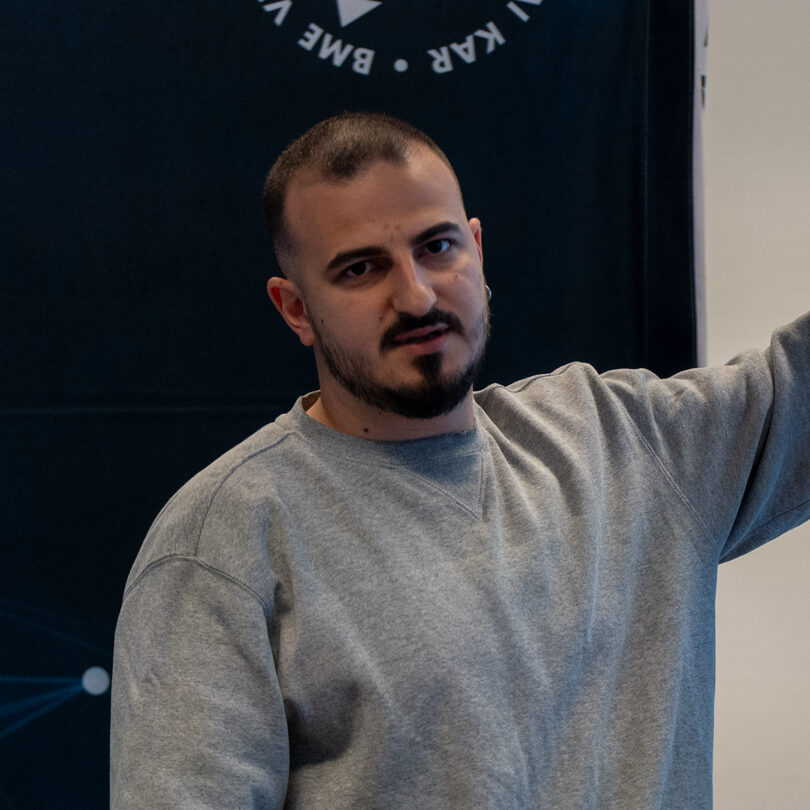
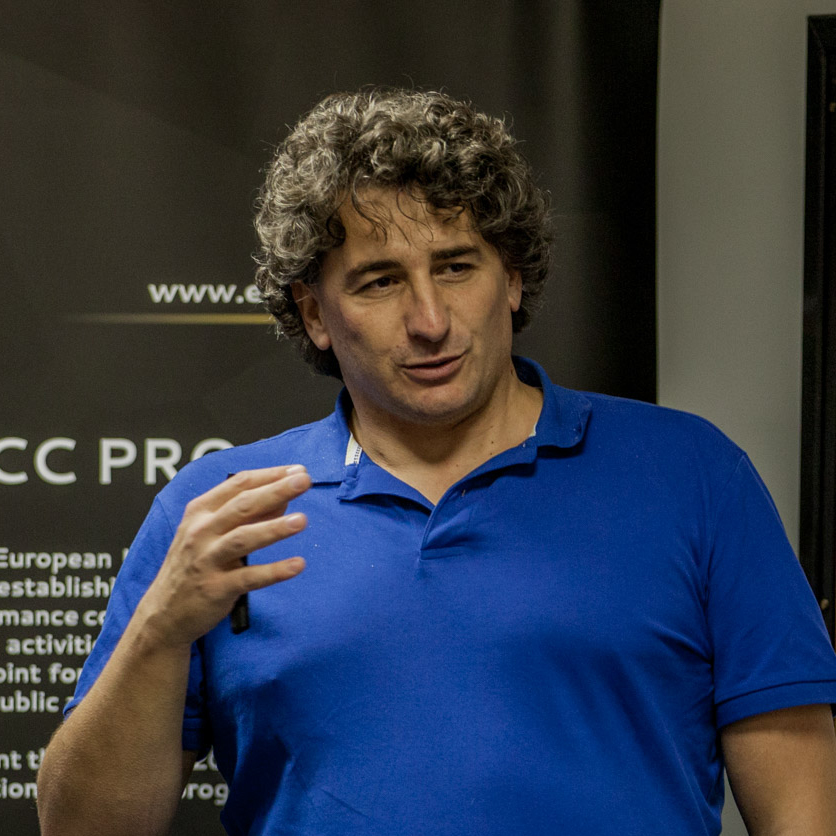
Our summer school brings together top minds in quantum technologies included renowned scientists, industry experts, and academic scholars who will share their insights and experiences. Stay tuned for more details about our exciting roster of speakers and the cutting-edge topics they will cover.
Workshop Tutors
Our workshop tutors are researchers, educators, industry professionals and students who will guide the afternoon hands-on sessions. Working in small groups, you’ll have the opportunity to interact closely with them, ask questions, and gain practical experience with cutting-edge quantum technologies.
Our workshop tutors include: Mahmud Abd El Azez, Djeylan Aktas, Matthias Blatnik, Gilberto Ferreira Borges, Hermann Detz, Elias Eingang, Arash Ghoreishi, Miroslav Grajcar, Mariana Filipova, Kartik Kakade, Samuel Kern, Samuel Klement, Zdeňka Koupilová, Michla Mrena, Hanka Partelová, Samgeeth Puliyil, Pamina Pawelka, David Polzoni, Vadym Shvydki, Martin Šechný, Abuzer Yakaryilmaz, Mário Ziman
Curious about what to expect?
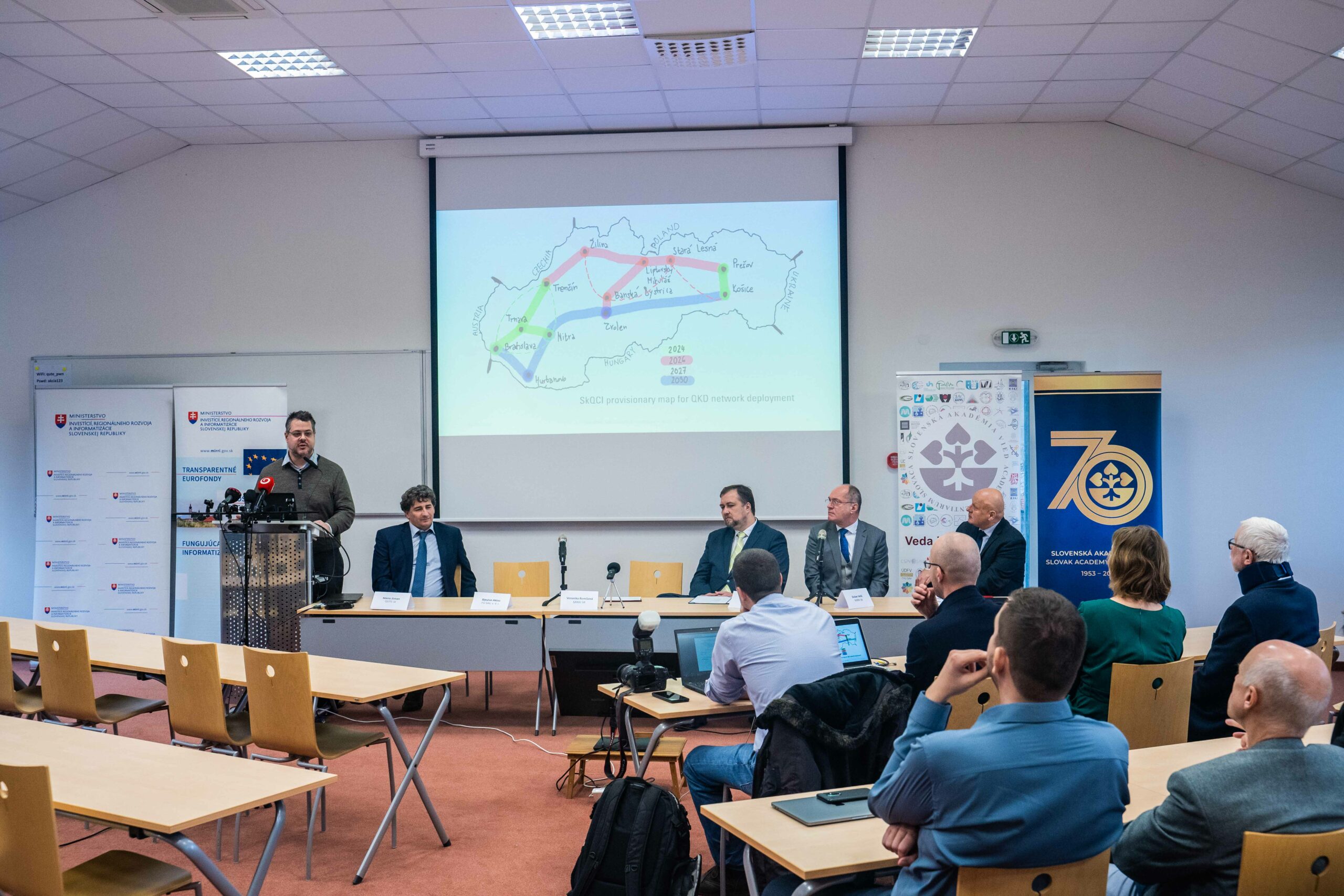
Watch our highlights from 2024 Quantum Technologies Summer School held in Bratislava! See engaging lectures, hands-on projects, and the vibrant community that made the event unforgettable. Get inspired and ready for this year’s incredible journey into quantum technologies!
Summer SchooL 2025 In review

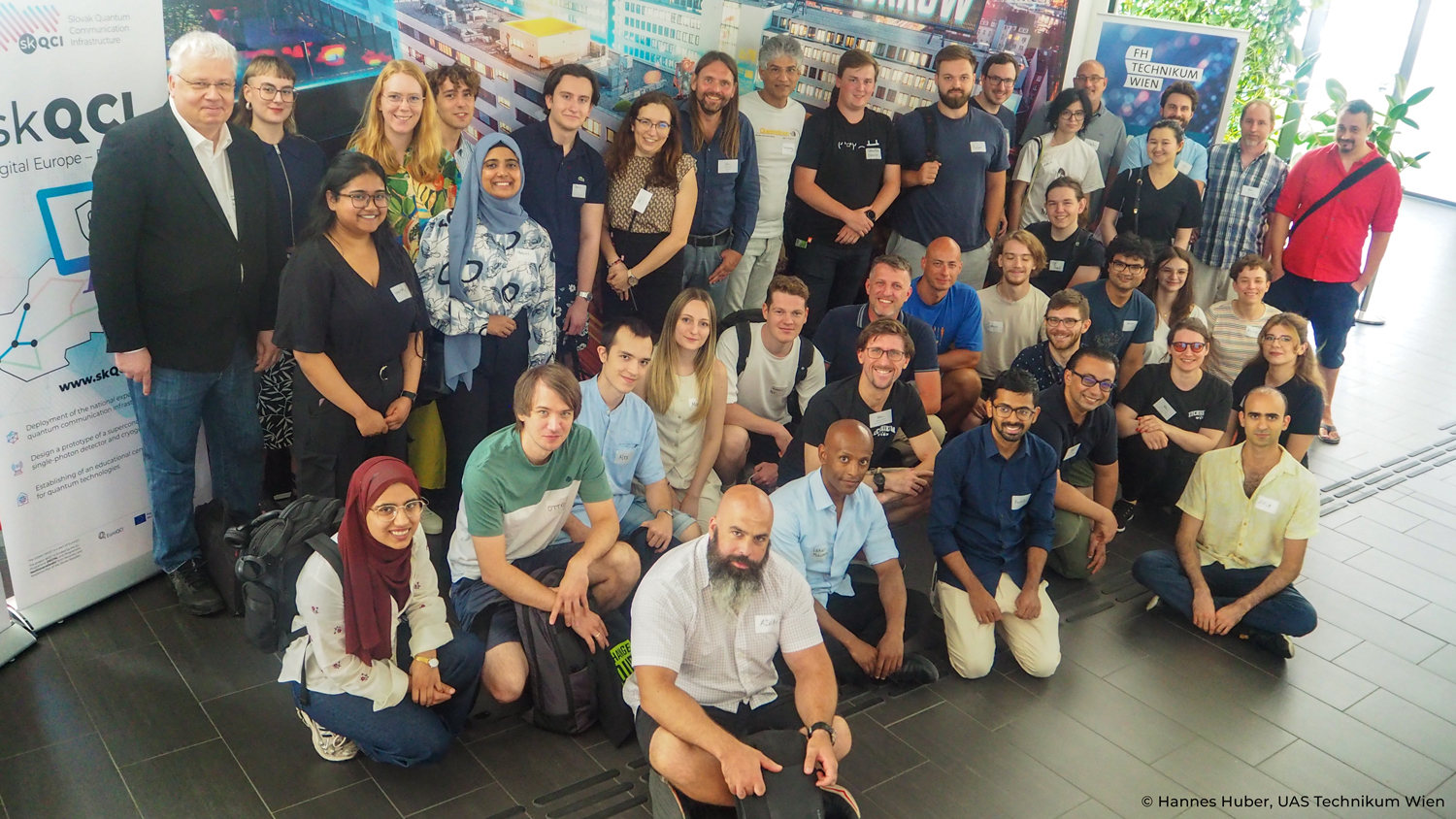
QUTE Summer School 2025: Third Edition in Vienna
The Quantum Technologies Summer School 2025 marked the third year in a row of this joint educational initiative, alternating annually between Bratislava and Vienna. From August 11–14, University of Applied Sciences Vienna became the meeting point for students and experts passionate about the future of quantum science. Organized by University of Applied Sciences Vienna (FHT Wien), the Institute of Physics of the Slovak Academy of Sciences, and QUTE.sk – Slovak National Center for Quantum Technologies, the school provided a week-long journey into the exciting world of quantum research and applications.
Organising Committee
QUTE.sk: Diana Cencer Garafová, Miroslava Šebestová, IP SAS: Djeylan Aktas, Mário Ziman, FHT Wien: Matthias Blatnik, Hermann Detz, FMFI CU: Miroslav Grajcar
Partner:
Supported by:
The QUTE Summer School 2026 is held under the auspices of the Ministry of Education, Research, Development and Youth of the Slovak Republic.
Co-funded by the European Union.
Project nr.: 101298535
Views and opinions expressed are however those of the author(s) only and do not necessarily reflect those of the European Union or HADEA. Neither the European Union nor the granting authority can be held responsible for them.