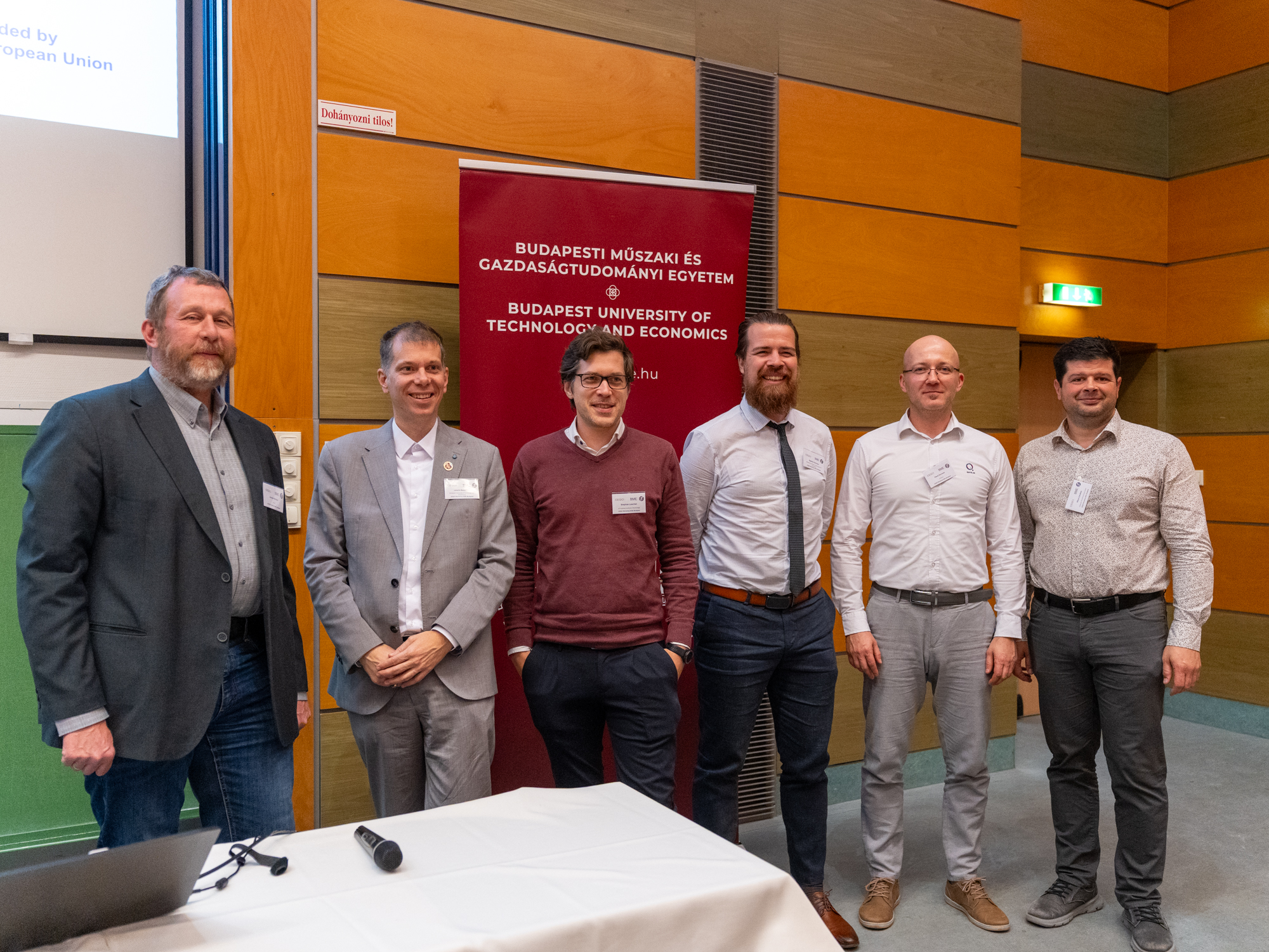
CEQCI Workshop 2026 Budapest: Advancing Quantum-Secure Communications in Central Europe
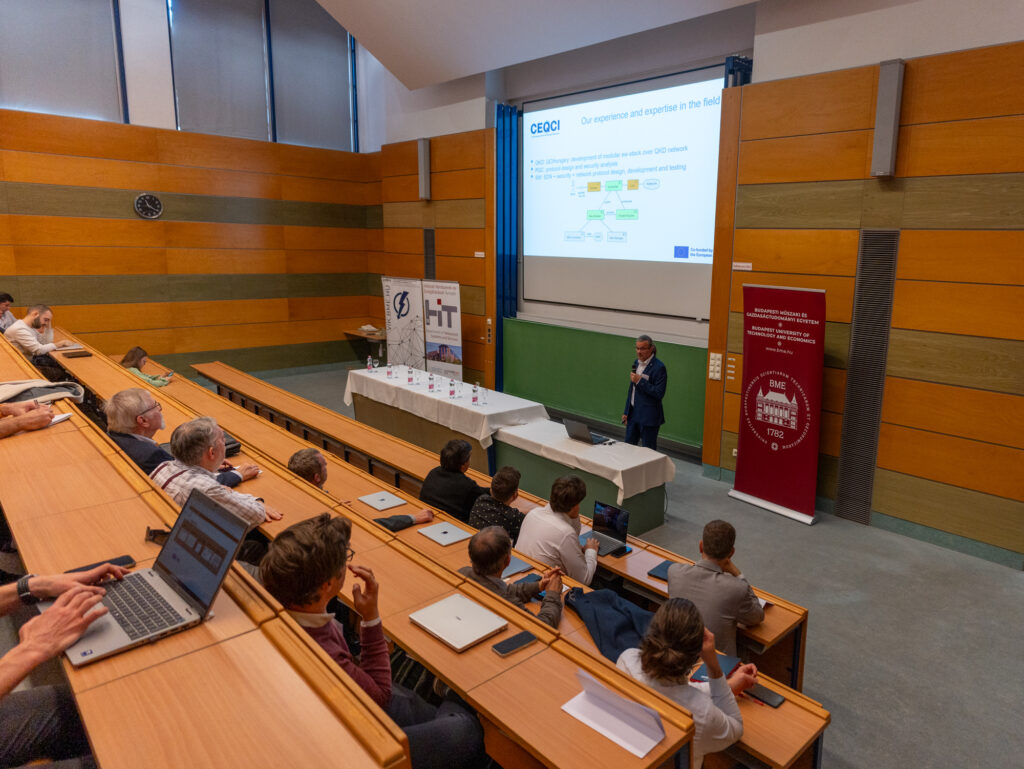
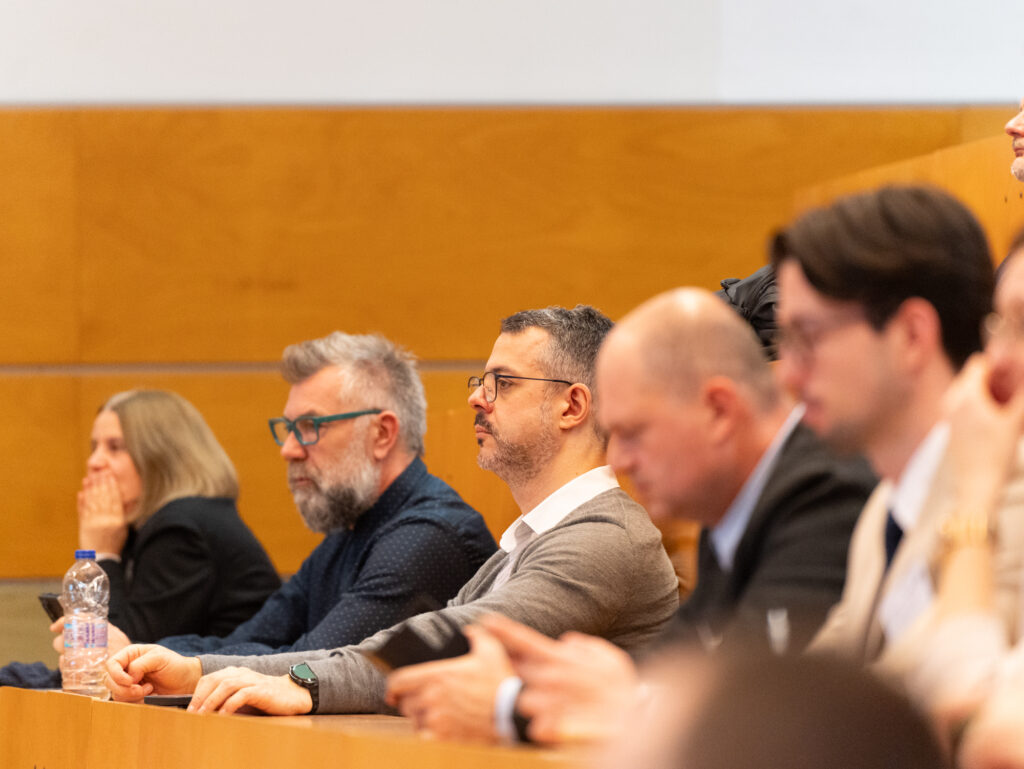
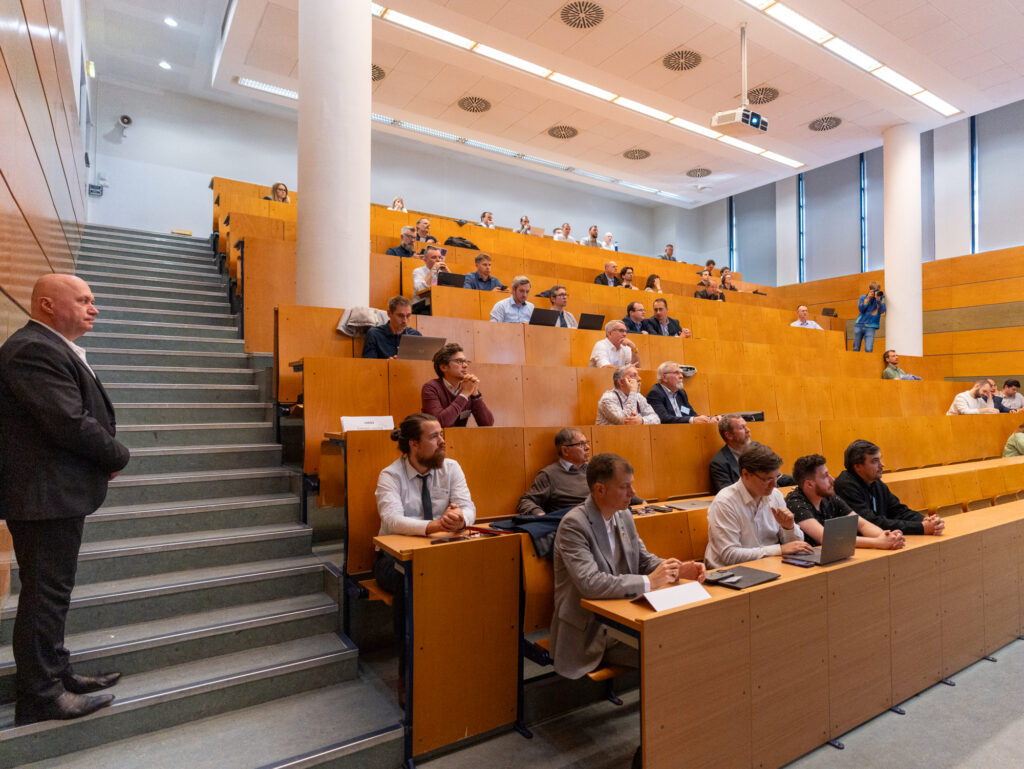
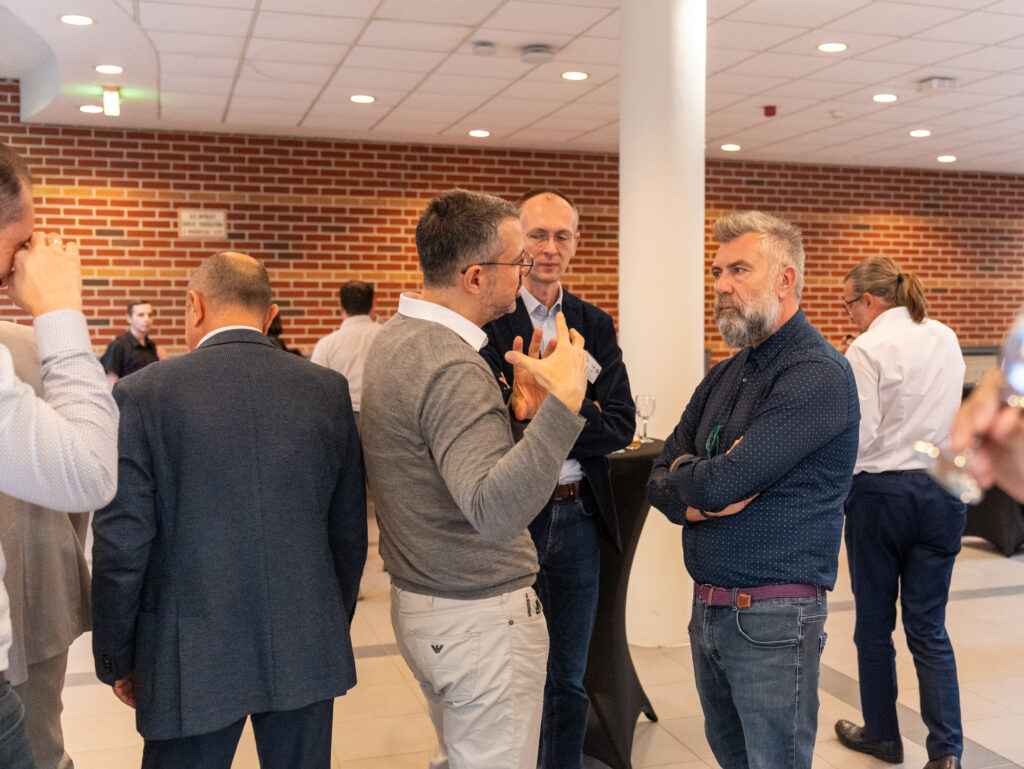
On 4 November 2026, the Budapest University of Technology and Economics (BME) hosted the CEQCI Workshop 2026, bringing together partners of the Central European Quantum Communication Infrastructure (CEQCI) project, representatives of other EuroQCI initiatives and members of the academic community. The workshop provided an opportunity to review the progress of the project, present developments across its work packages and discuss the technical and organisational challenges involved in establishing an interconnected quantum communication infrastructure in Central Europe.
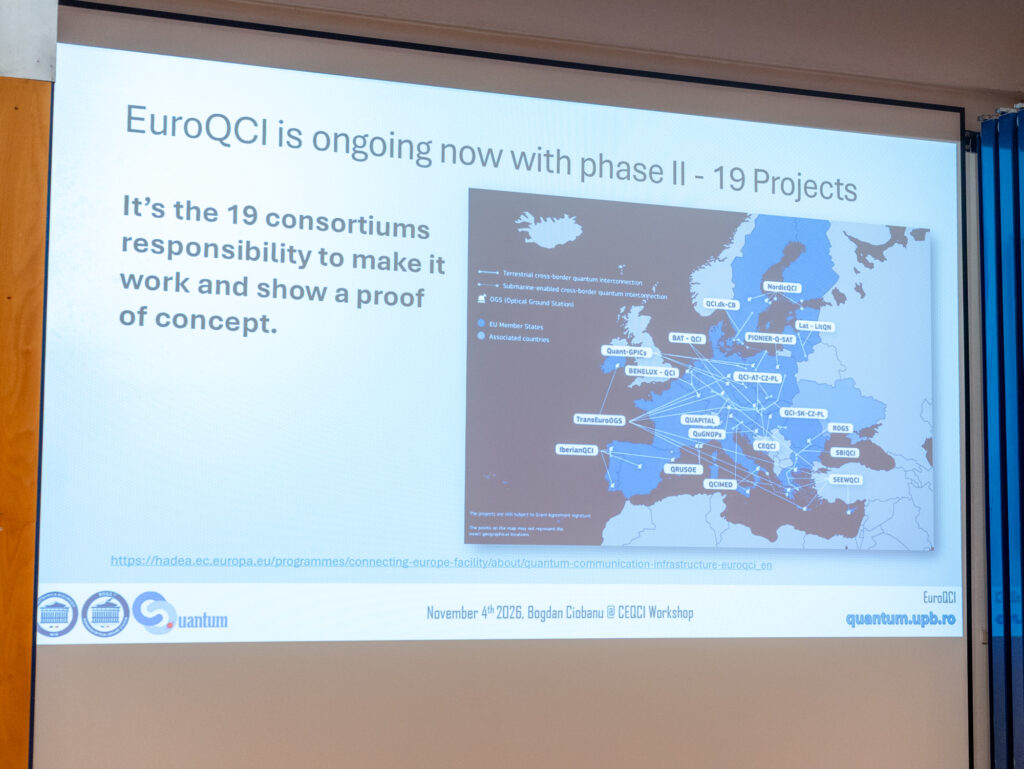
Connecting terrestrial and satellite quantum networks
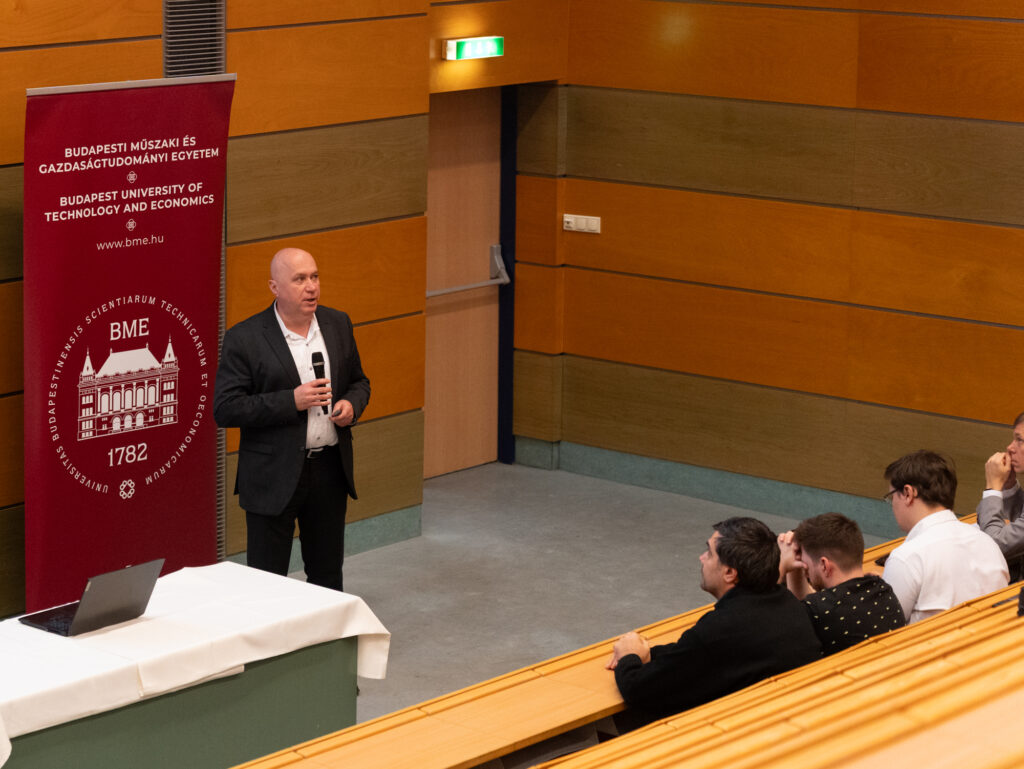
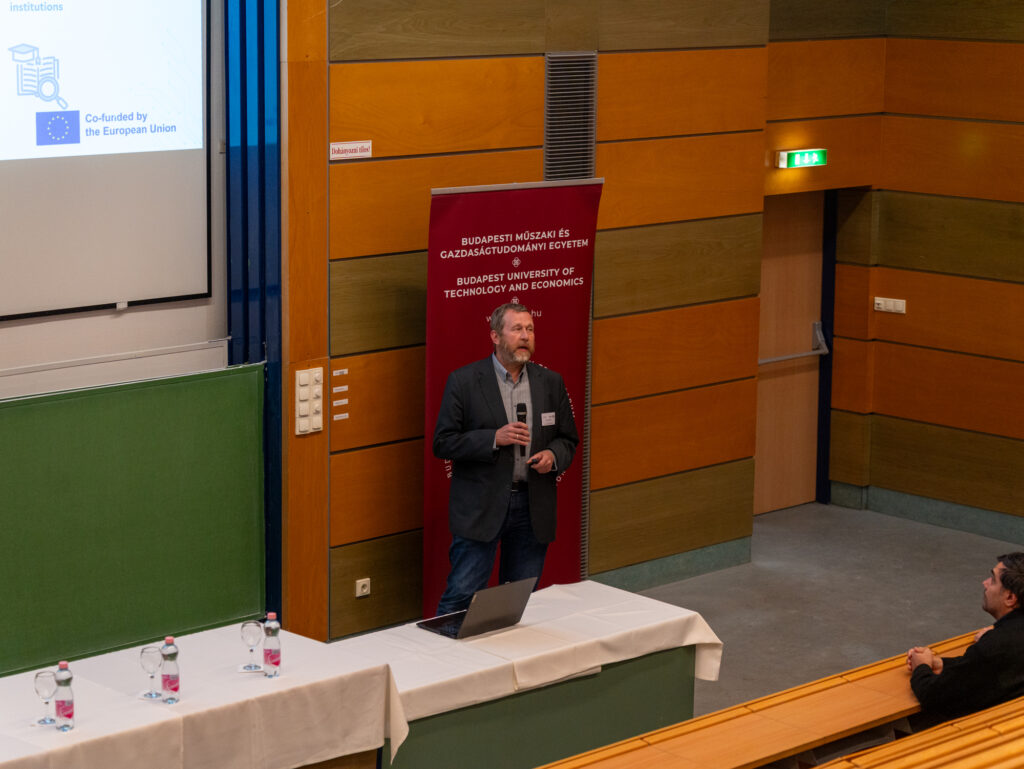
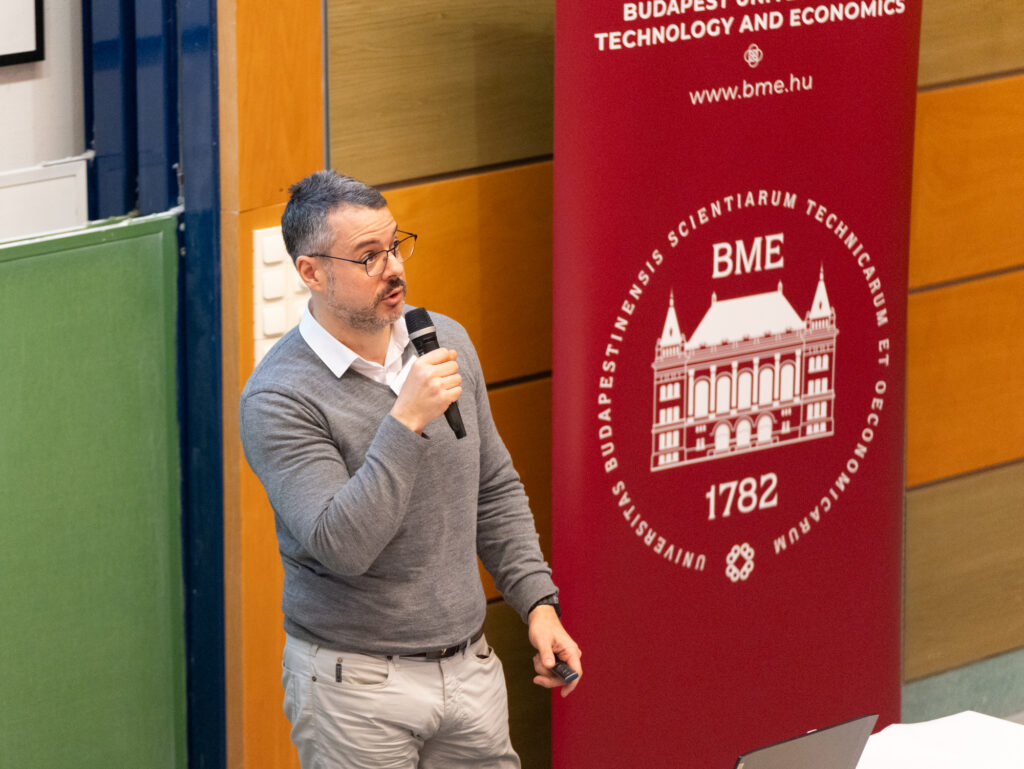
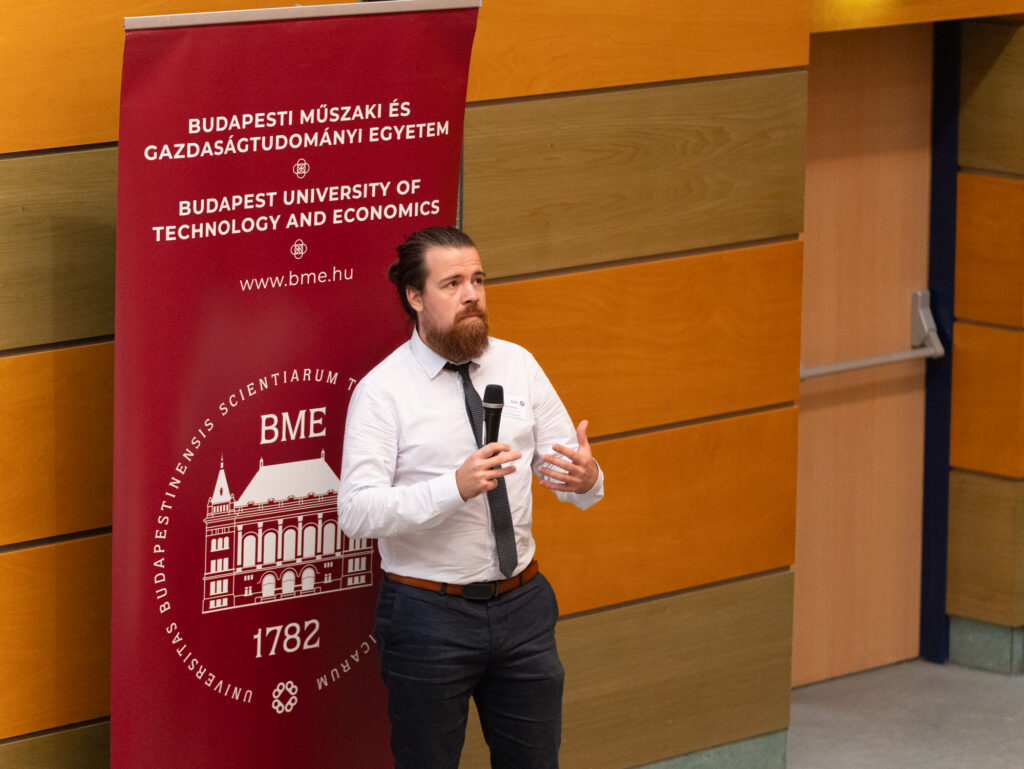
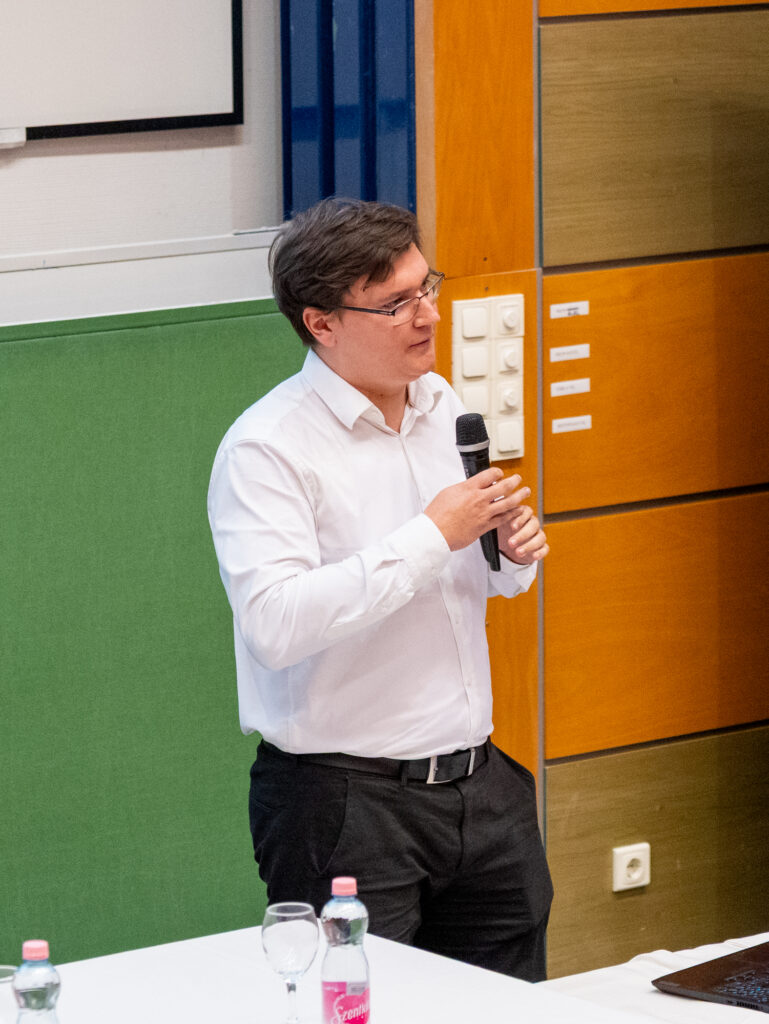
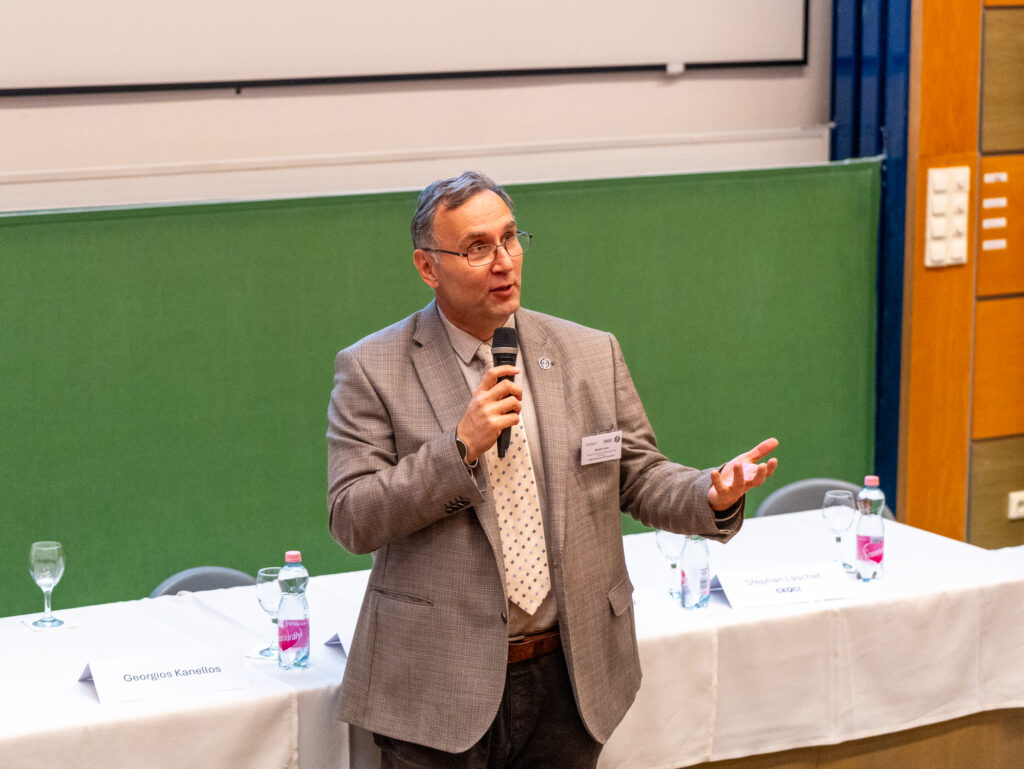
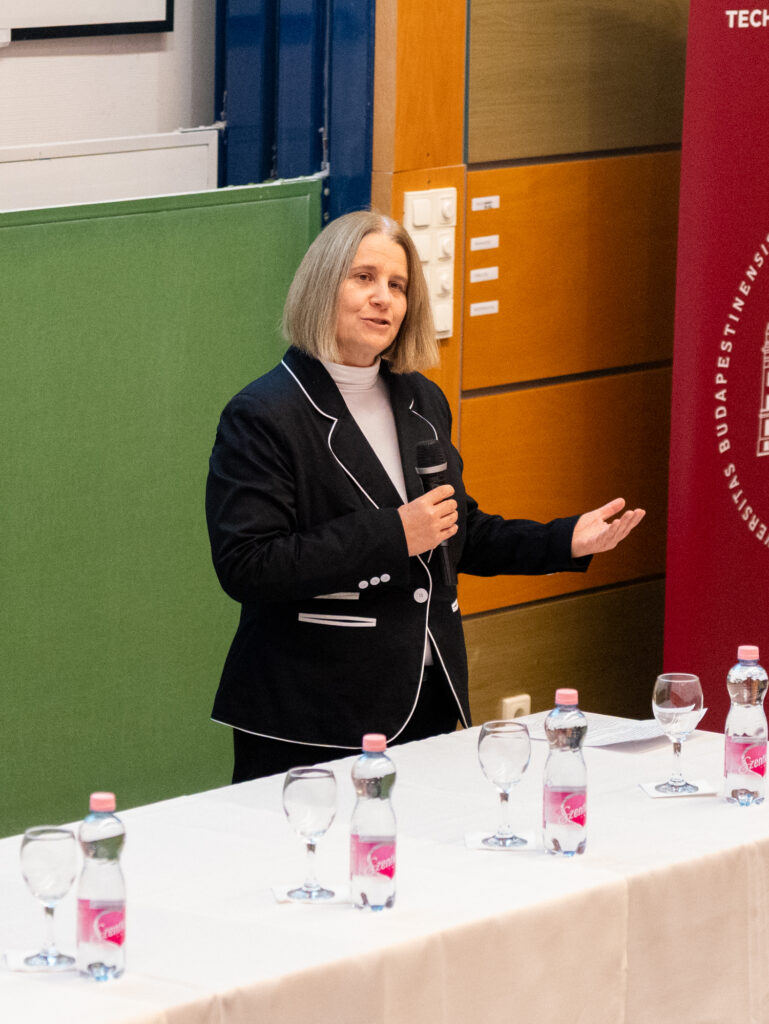
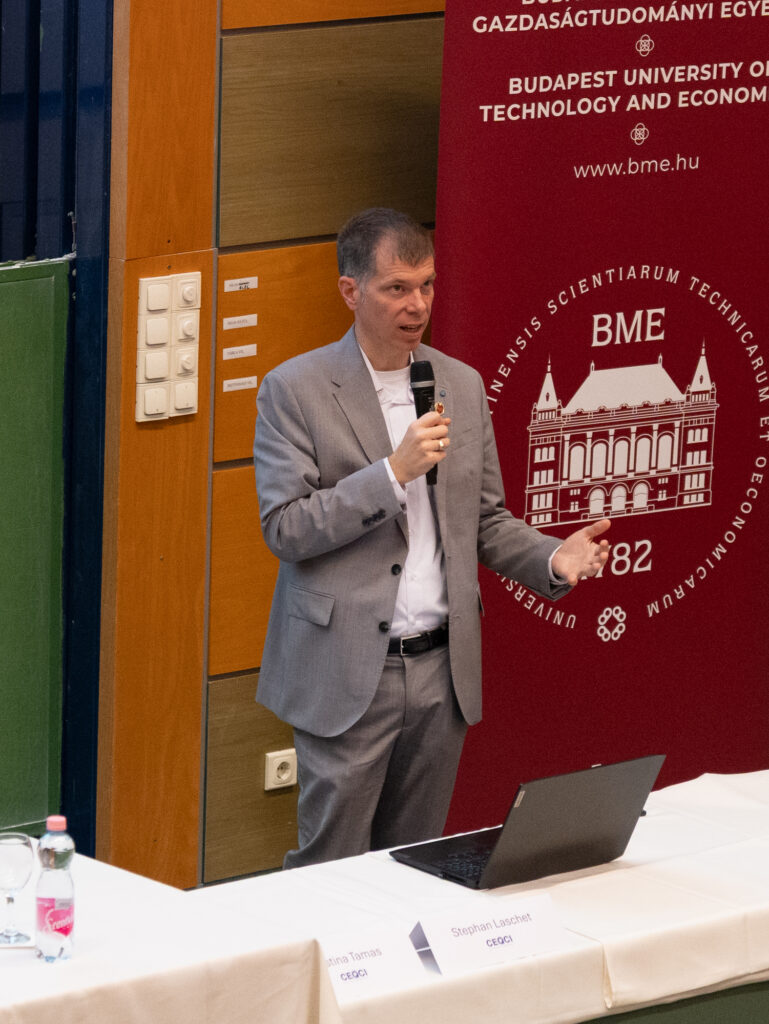
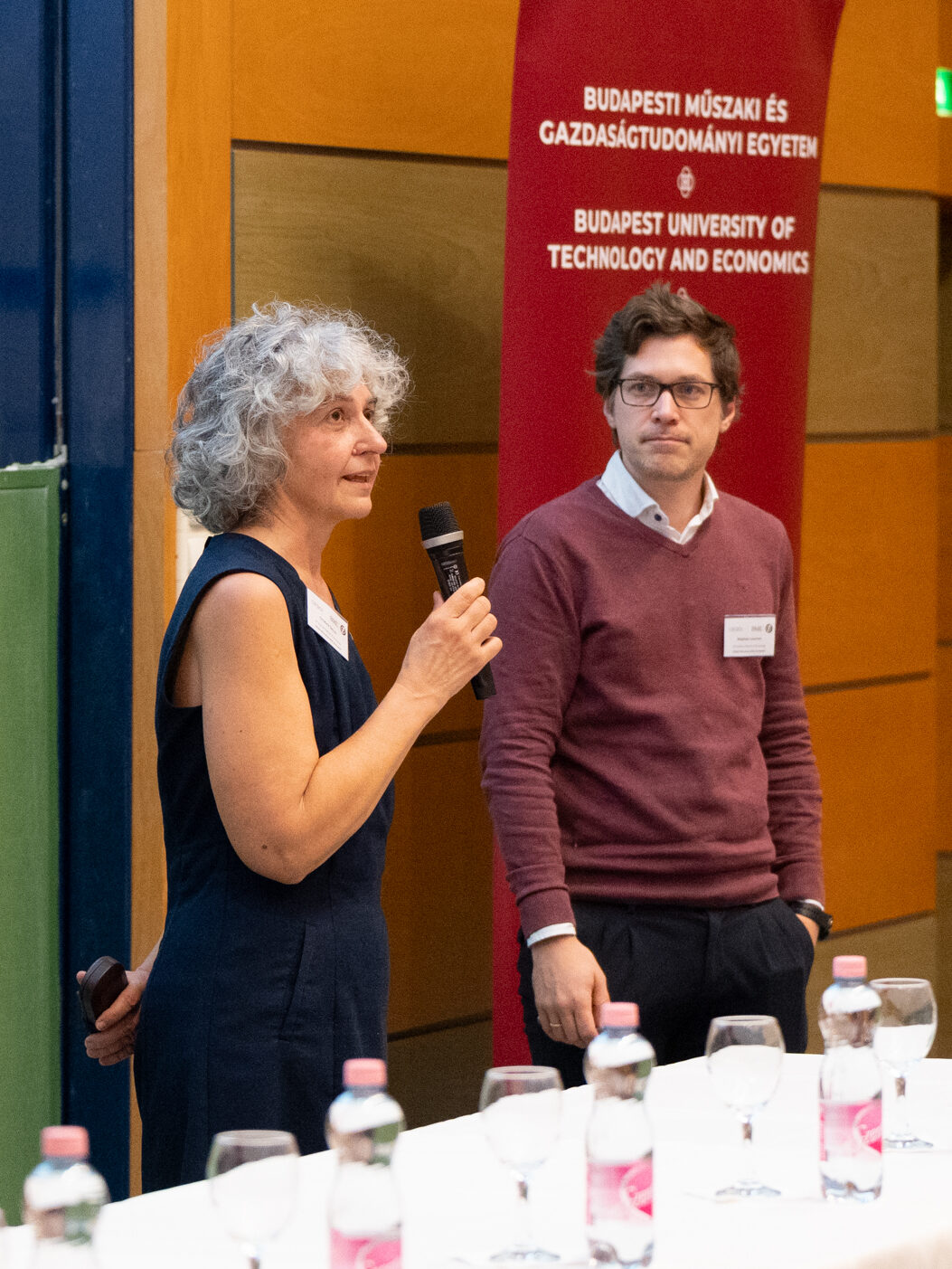
Following the official opening by Eszter Udvary, Vice Dean of the Faculty of Electrical Engineering and Informatics at BME, and László Bacsárdi, CEQCI Project Coordinator, the morning programme featured a presentation of PETRUS by Stephan Laschet and Cristina Tamas from the Austrian Institute of Technology (AIT).
The presentation outlined PETRUS’s role in supporting coordination and cooperation within the European Quantum Communication Infrastructure ecosystem, including the exchange of knowledge and experience between projects.


The subsequent CEQCI session brought together representatives of the participating countries – Austria, Hungary, Romania and Slovakia – who presented the project’s individual components, current developments and implementation plans.
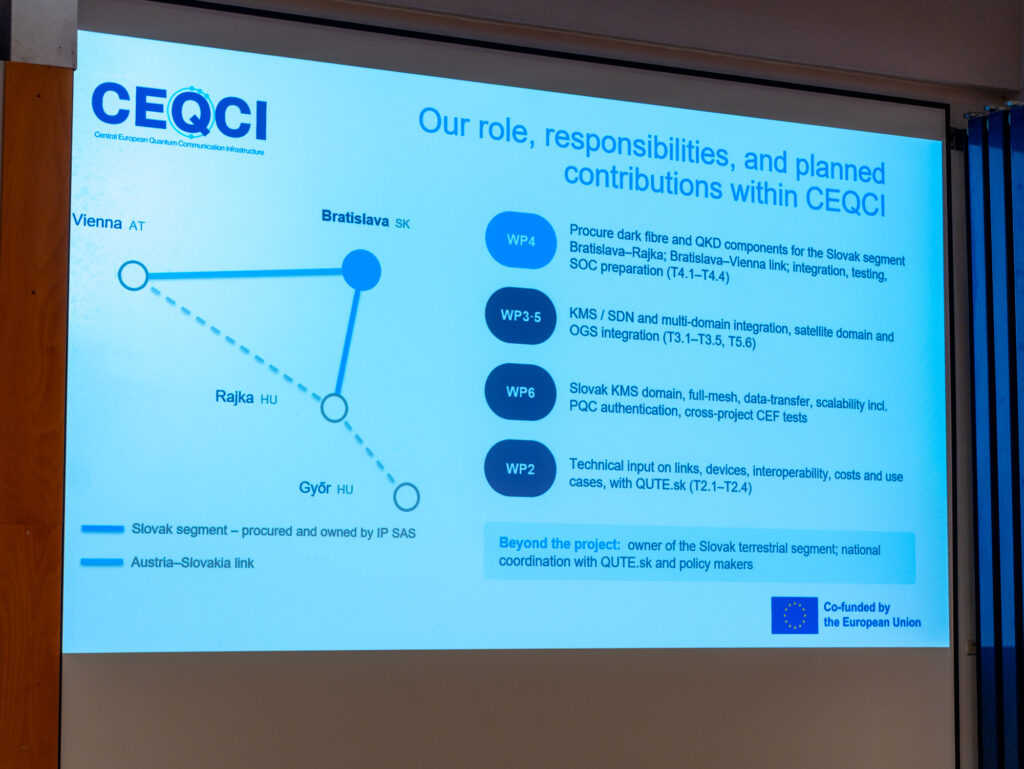
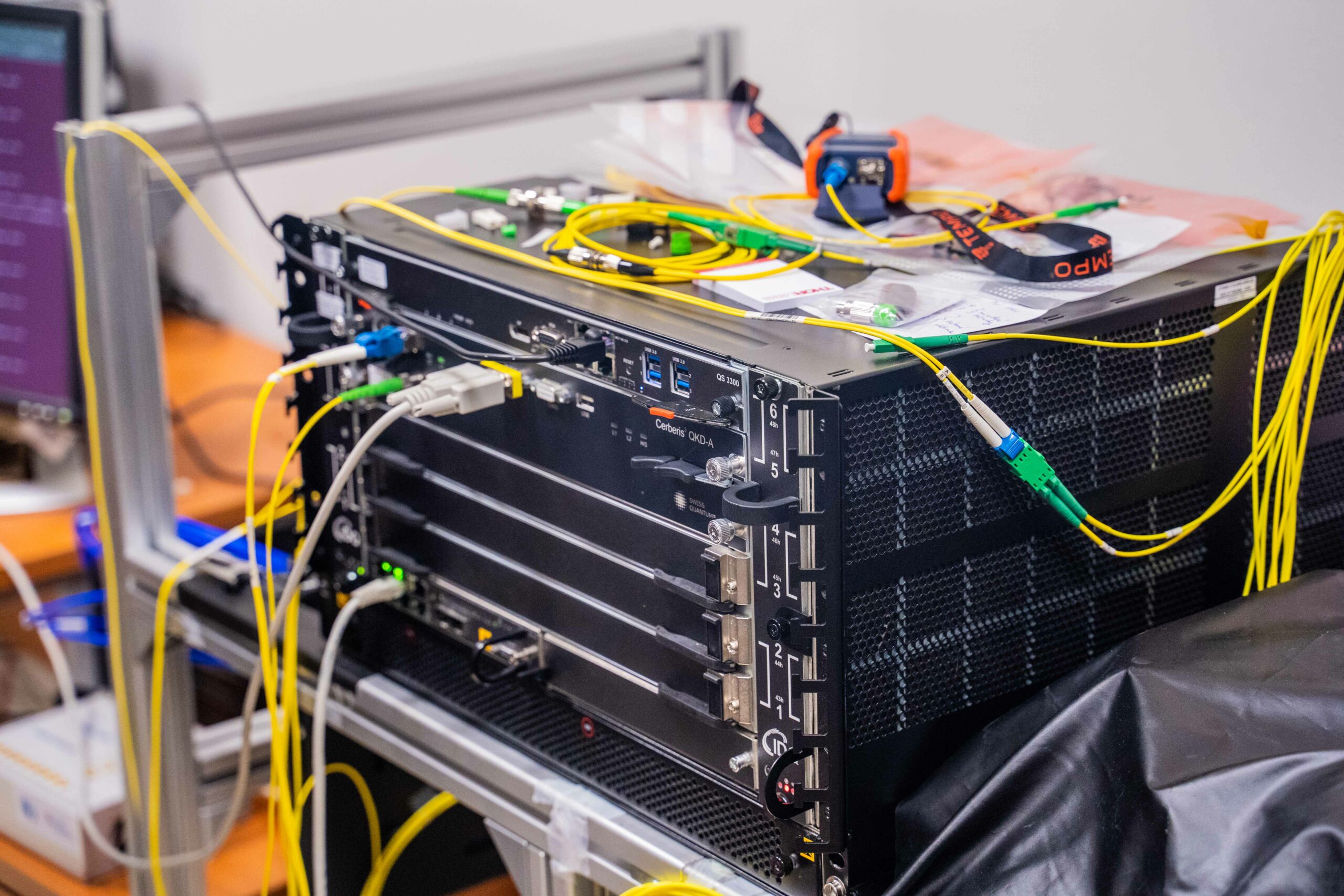
CEQCI aims to establish a quantum key distribution (QKD) network connecting the capitals Vienna, Bratislava, Budapest and Bucharest with additional nodes in Innsbruck and Graz. The infrastructure will combine terrestrial fibre-optic links with a satellite-based quantum communication segment using the European Eagle-1 satellite.
An important milestone in this architecture is the optical ground station (OGS) in Innsbruck, which was delivered in the framework of the QCI activities and is intended to provide Austria’s connection to the satellite segment. Together with the Budapest ground station, it will enable quantum key exchange between terrestrial and space-based infrastructure.
The project will demonstrate the practical capabilities of this integrated infrastructure through a use case involving the secure transmission of sensitive, classified data between two biology laboratories in Graz and Budapest. This demonstration will explore the application of QKD in protecting research data across geographically separated institutions.
Project implementation and strategic challenges
The project update outlined the progress achieved since the online kick-off meeting on 29 January 2026. Regular online work package meetings, two in-person project meetings in Hungary and in Austria. The consortium has also contributed to the EuroQCI Proof of Concept policy paper and participated in QCI Days 2026 in Padova. The Budapest workshop marked an important opportunity for all partners to meet in person, exchange updates and coordinate activities across the project.
Discussions also addressed several challenges associated with the implementation of CEQCI. These include co-funding requirements, the management of highly classified project information and the preparation of the infrastructure for its future connection to the Eagle-1 satellite.
Slovak partners contributing to European-level discussions
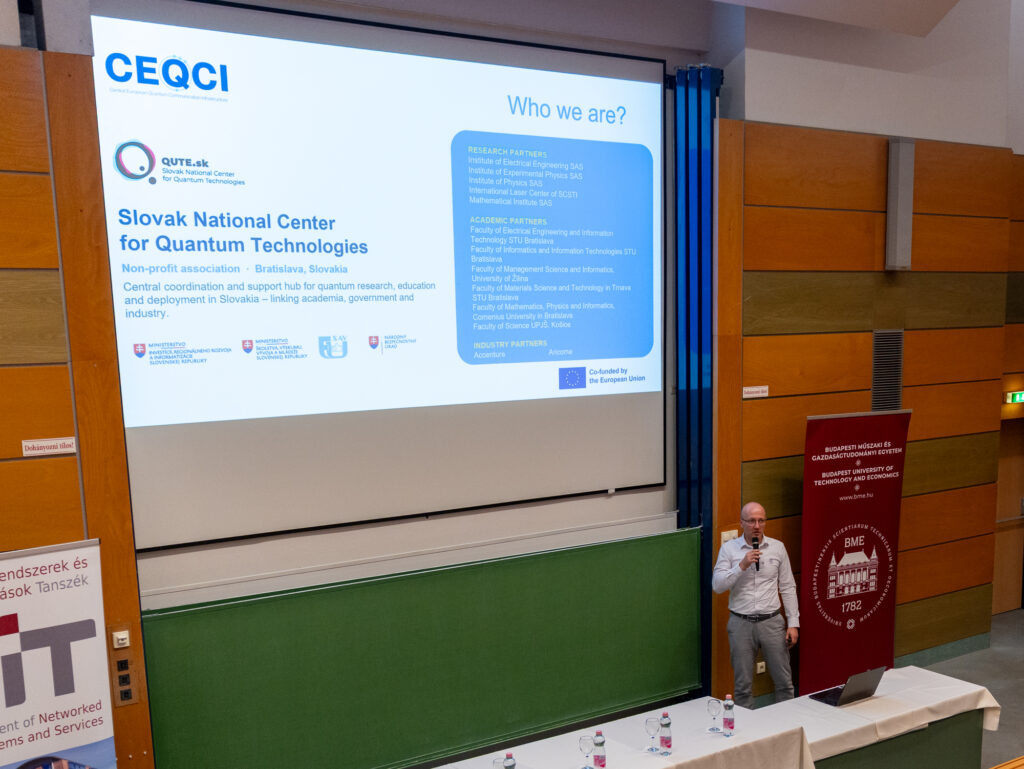
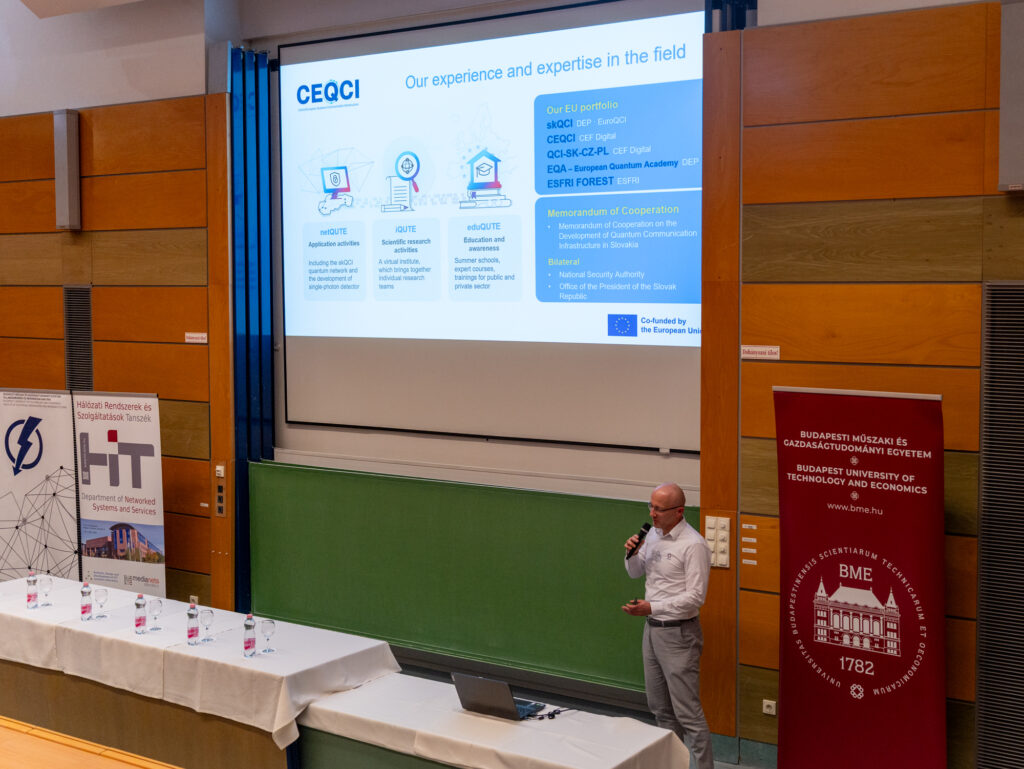
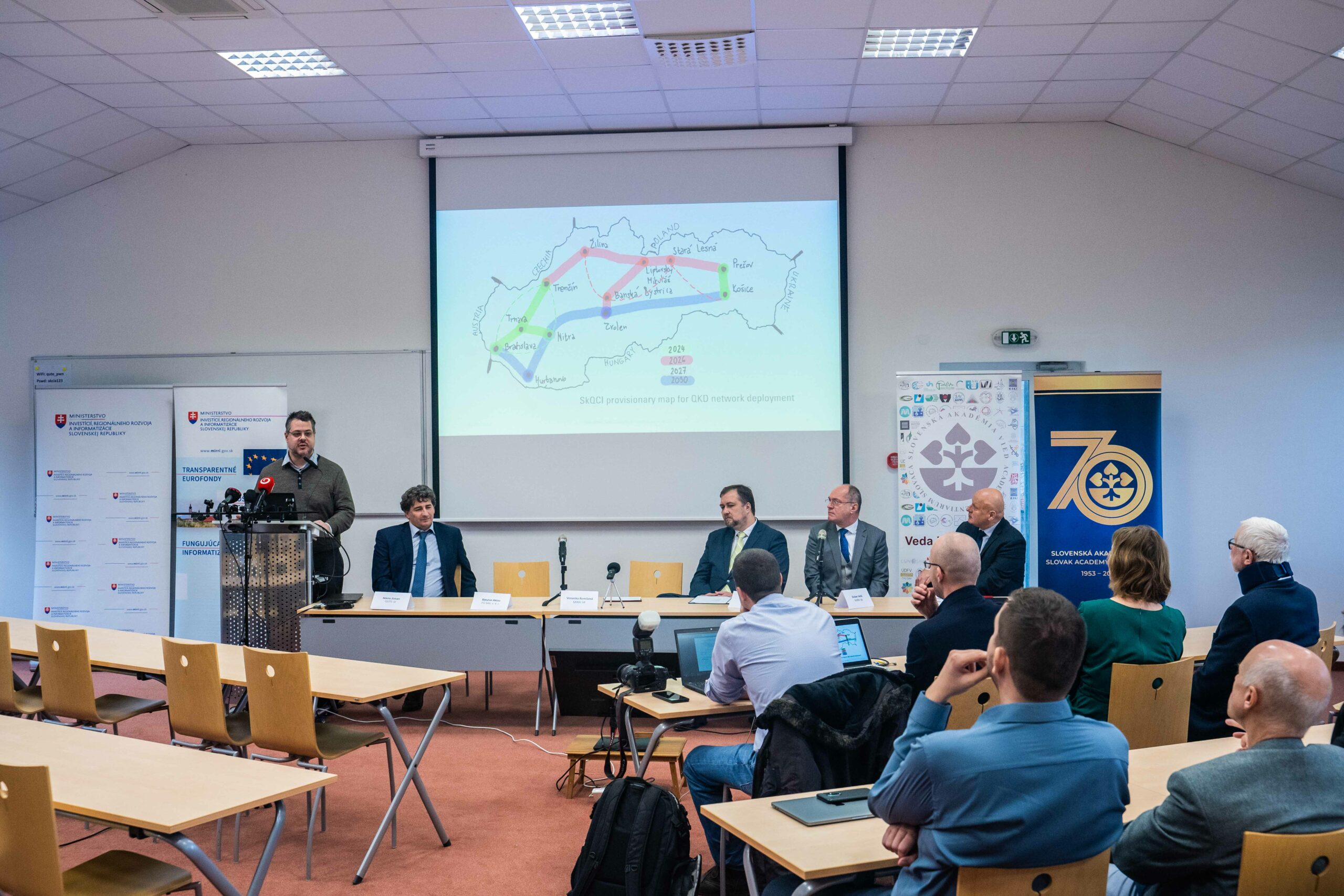
Slovak representatives made contributions to discussions addressing key aspects of quantum communication infrastructure, from stakeholder engagement and terrestrial QKD networks to satellite connectivity and software development.
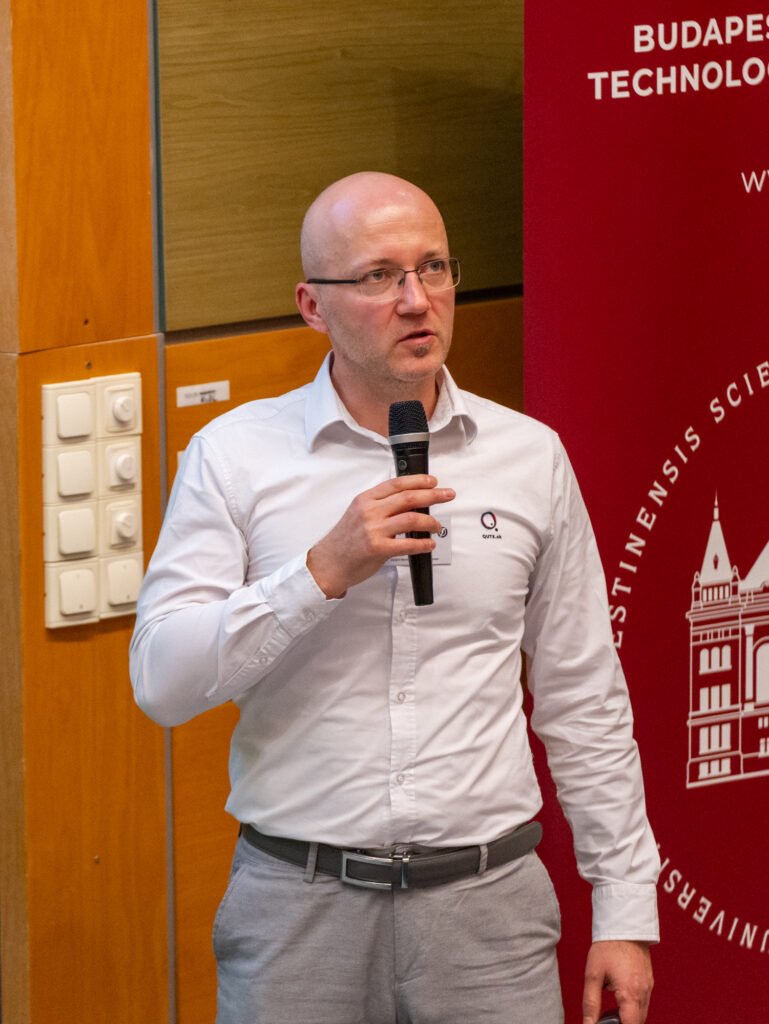
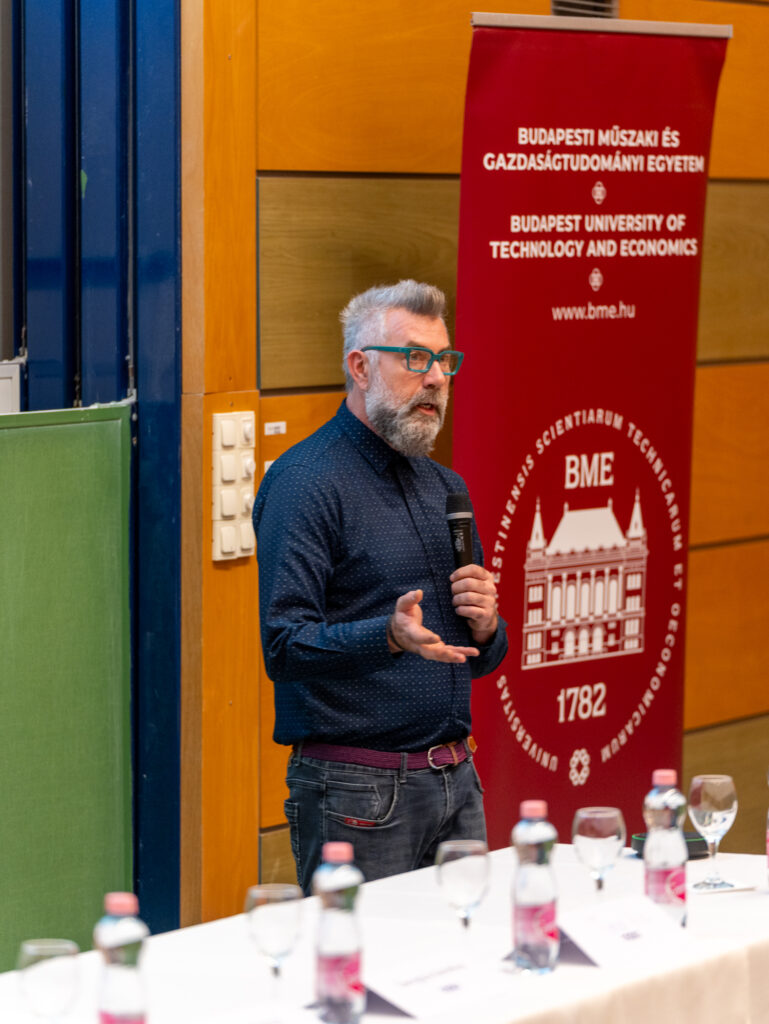
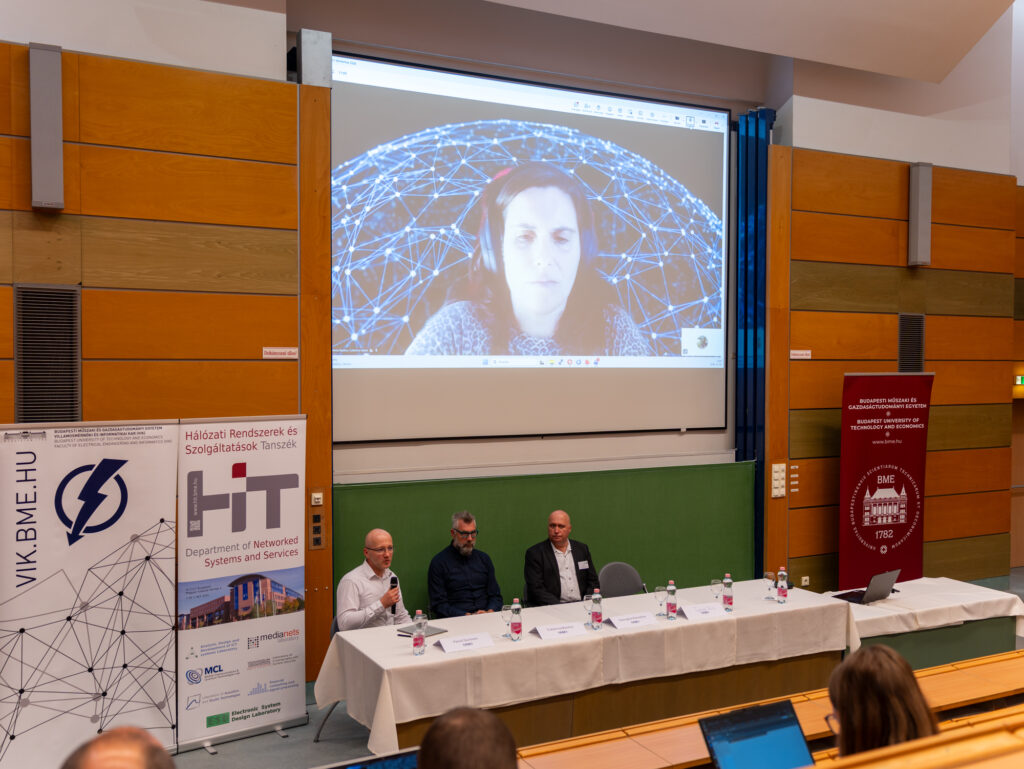
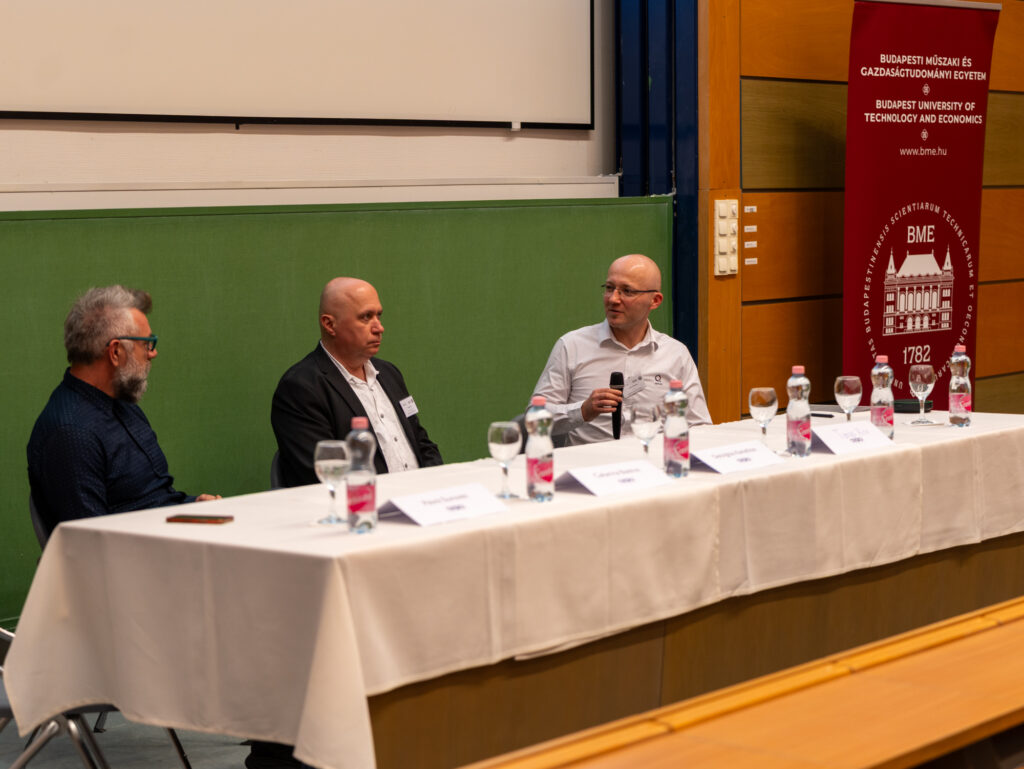
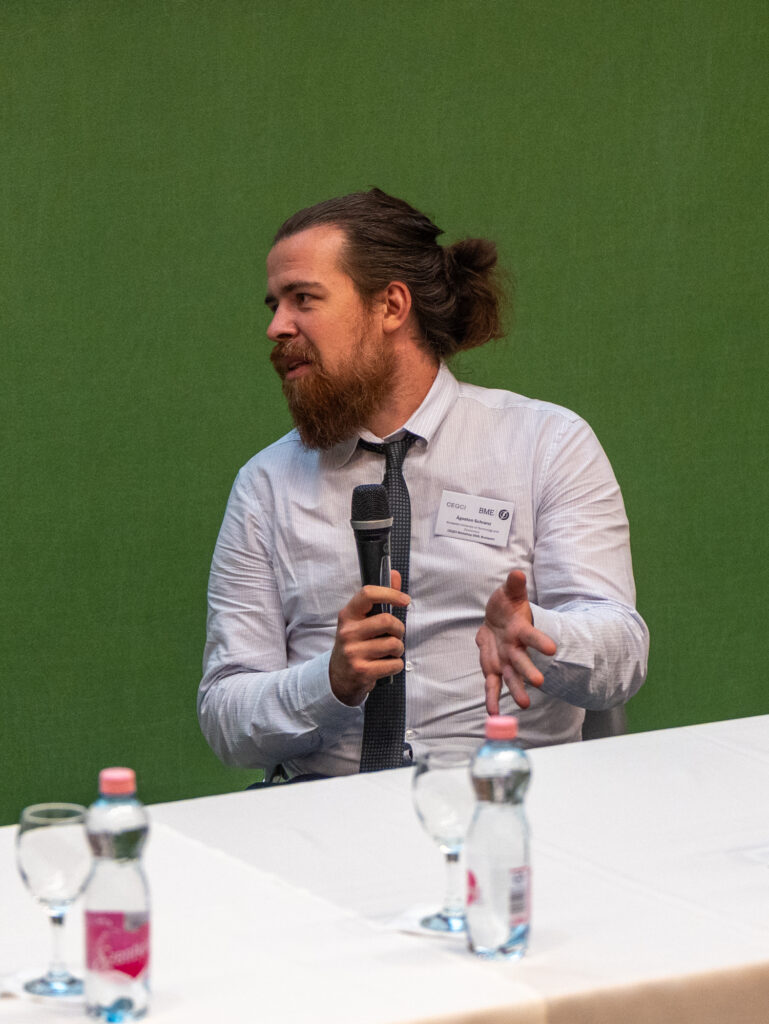
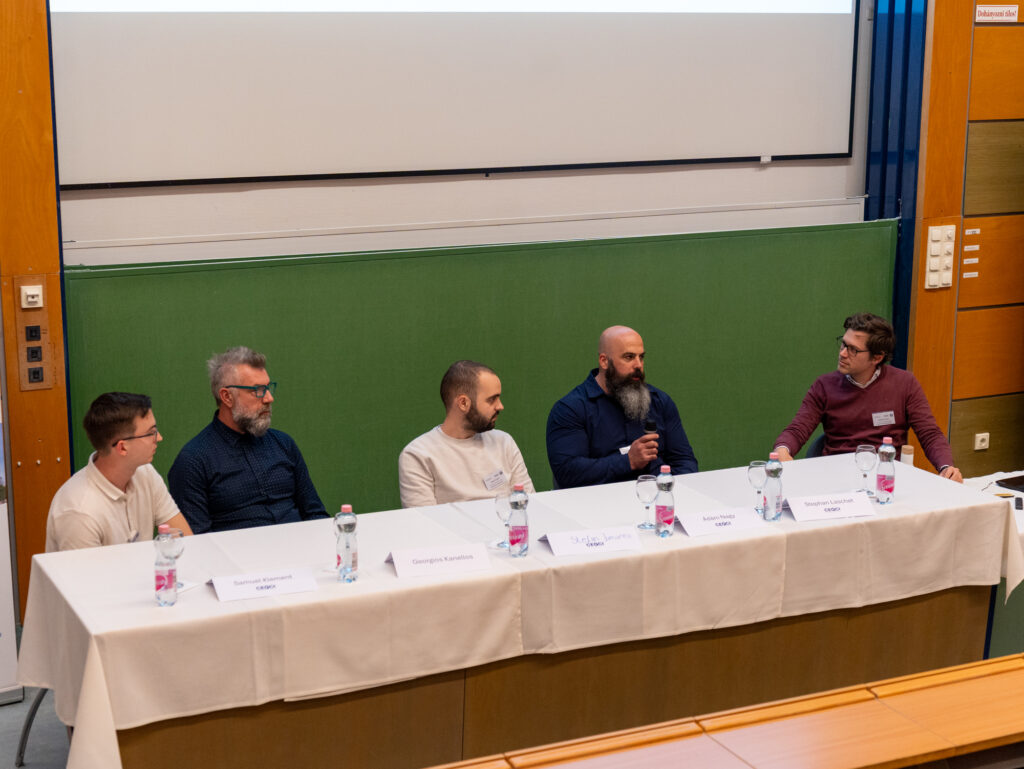
Pavol Surovec (QUTE.sk) moderated the first panel, Stakeholder Engagement – Use Cases and Best Practices. The discussion brought together representatives of IberianQCI, SEEWQCI and CEQCI to examine approaches to stakeholder engagement, the identification of practical use cases and the development of applications for quantum communication technologies.
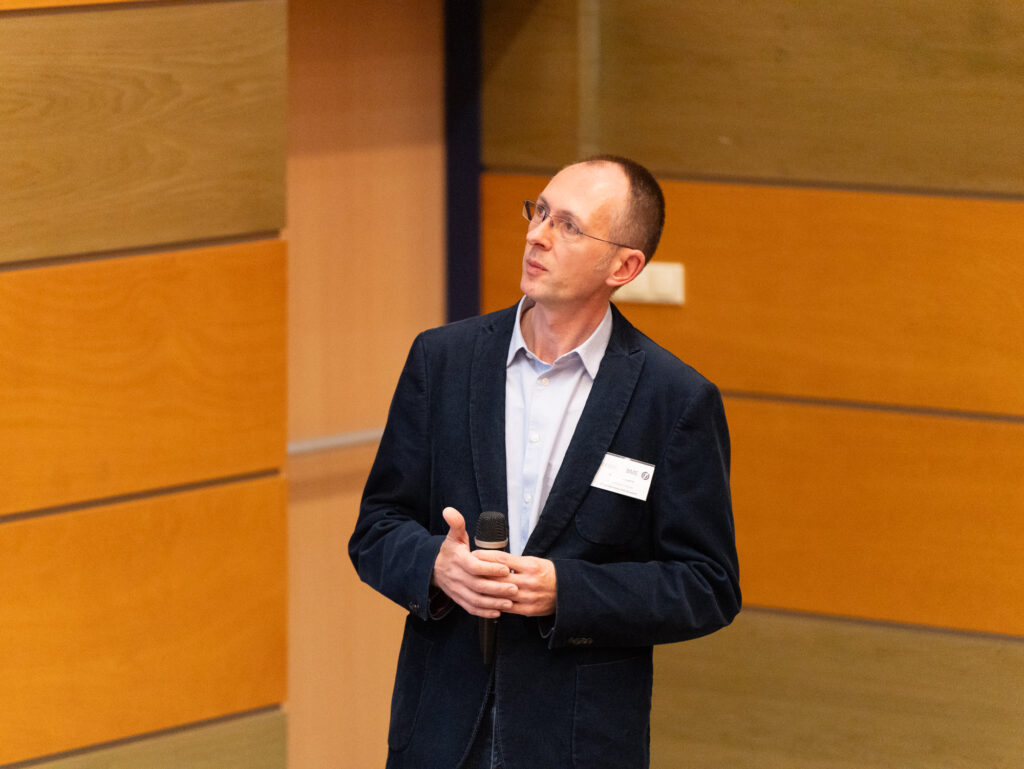
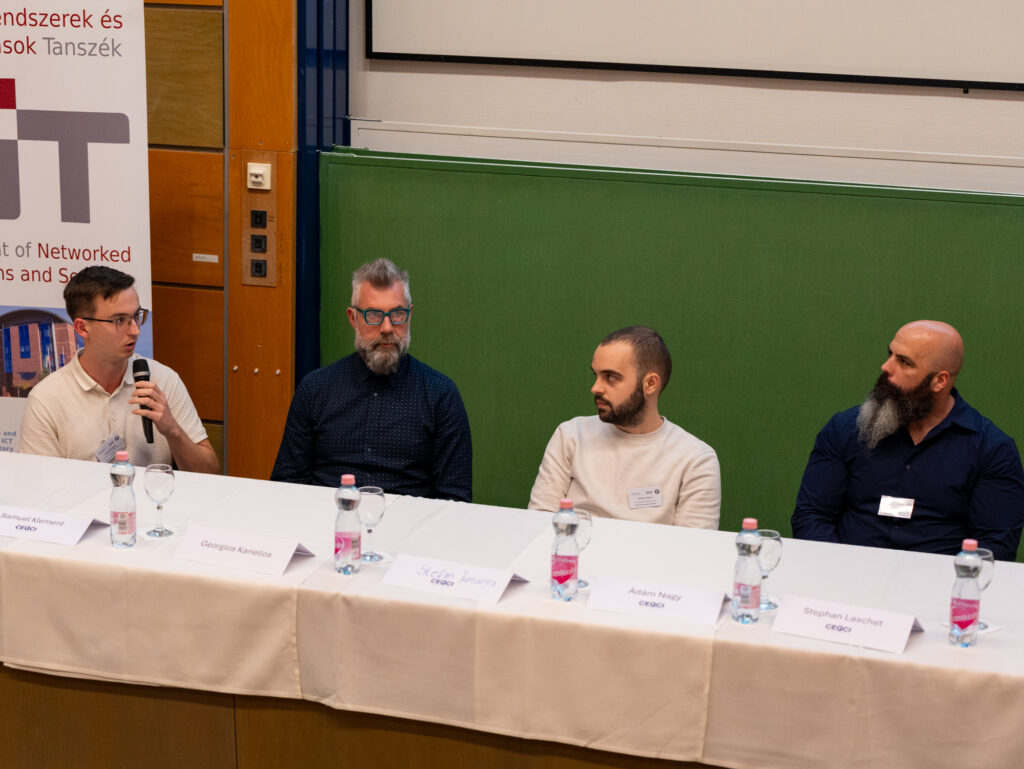
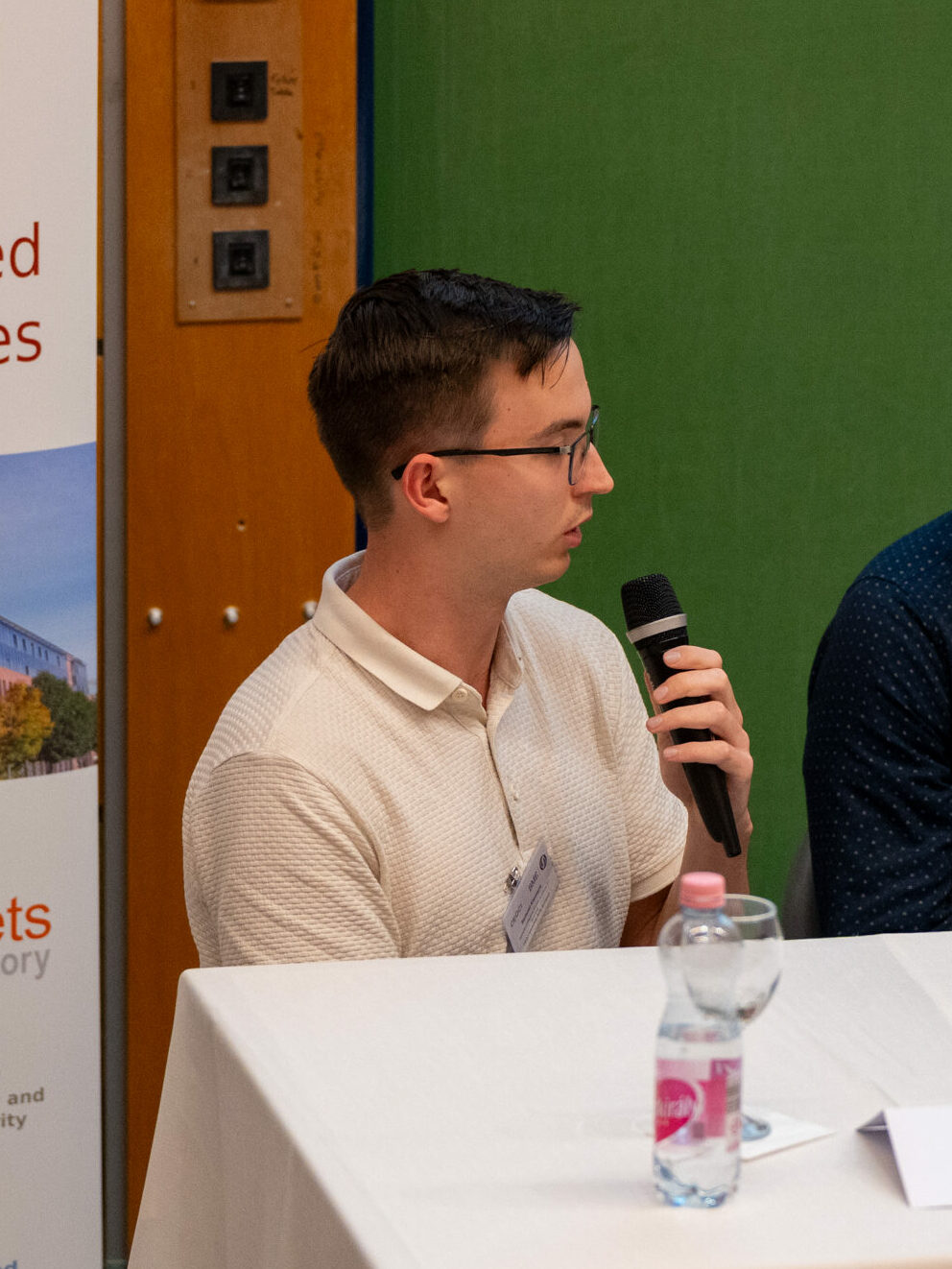
Samuel Klement (Institute of Physics of the Slovak Academy of Sciences) participated in the panel Software Layer/Key Management. Together with experts from other European initiatives, he discussed software architectures, key management and the interoperability requirements that will be essential for connecting individual QKD networks into a functional European infrastructure.
From a theoretical challenge to European infrastructure
At the end, Sándor Imre, Dean of the Faculty of Electrical Engineering and Informatics at BME, recalled a conversation with his professor twenty years ago, who noted that the idea of transmitting individual photons was once considered a rather foolish concept. Today, it is becoming part of Europe’s communication security infrastructure.
The CEQCI Workshop 2026 in Budapest demonstrated that quantum communication is becoming a reality through concrete infrastructure, ongoing technological development and the cooperation of research institutions and industry partners across Europe.
He also emphasised that the success of initiatives such as CEQCI depends not only on the consortium itself, but above all on the colleagues who share their knowledge, experience and efforts towards a common goal. This spirit of collaboration is essential for CEQCI. Establishing a cross-border quantum communication infrastructure requires more than connecting optical fibres, ground stations and satellite links. It requires sustained cooperation between research institutions, universities, technology providers and public stakeholders across Central Europe.
Gallery: